
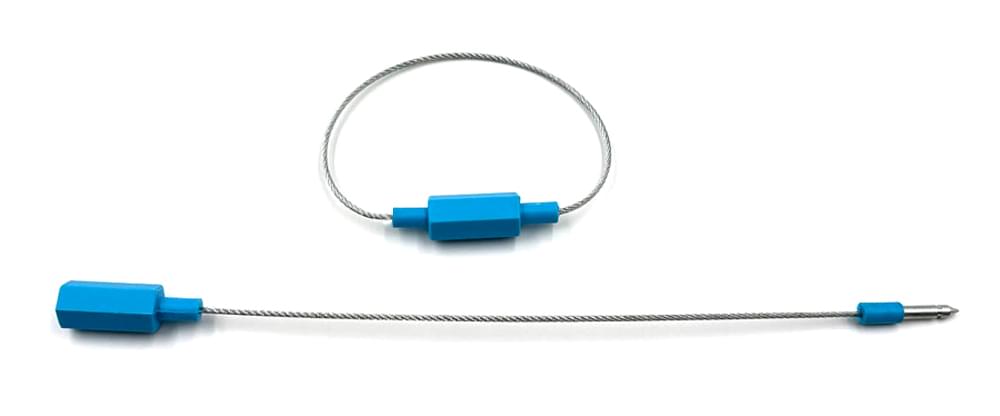
Container cable seals are crucial for ensuring the safety and security of cargo during transportation. They are security devices designed to prevent unauthorized access and provide visual evidence of tampering. However, like all security measures, they are not immune to problems. In this article, we will explore some common issues that arise with container cable seals, their implications, and how to prevent or address them effectively.
What Are Cable Seals for Containers?
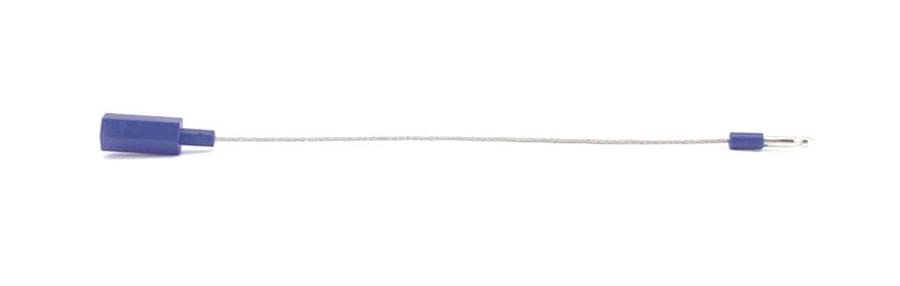
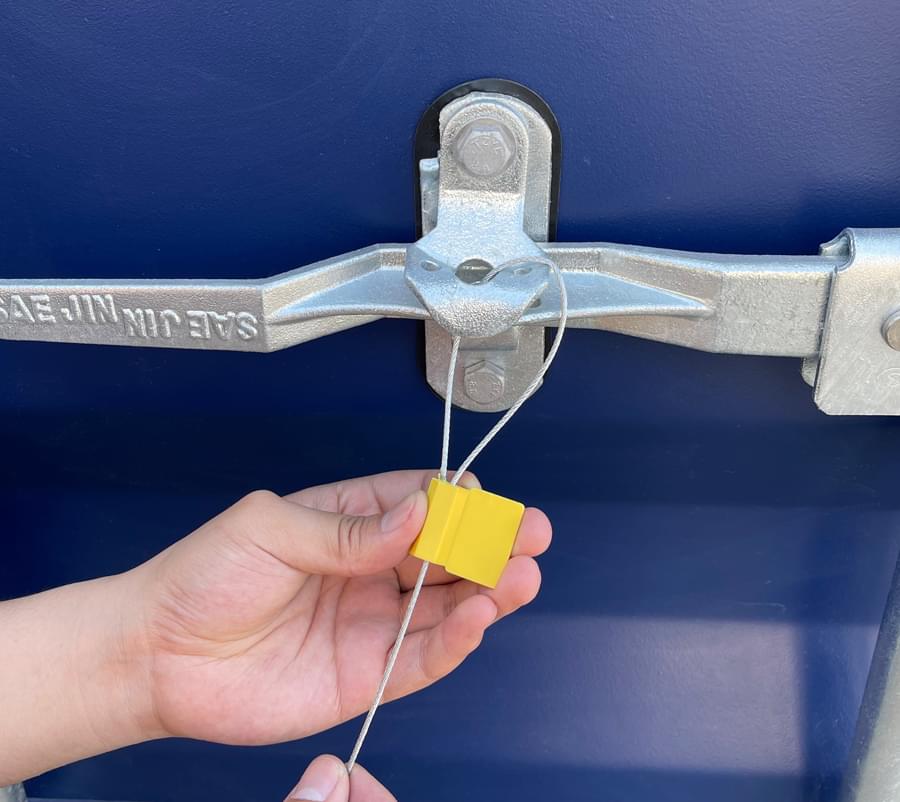
Cable seals are tamper-evident devices used to secure shipping containers. They are typically made of steel or other durable materials and consist of a metal cable threaded through a locking mechanism, which is then fastened around the container’s door or lock. If someone attempts to open the container without authorization, the seal will break, leaving clear evidence of tampering. This makes them an essential component in safeguarding cargo, preventing theft, and complying with industry regulations.
6 Common Problems with Container Cable Seals
1. Seal Damage or Breakage
One of the most common issues with cable seals is that they can become damaged or broken during transit. This may occur due to mishandling, rough conditions during transportation, or using low-quality seals. When a seal is broken, it compromises the security of the cargo, leaving the container vulnerable to unauthorized access.
Solution: Always use high-quality cable seals from reputable manufacturers. Inspect seals regularly to ensure they are intact and replace them if damaged. It is also important to choose seals that are suited to the specific conditions of your shipping route, whether it be exposure to extreme weather or heavy handling.
2. Improper Installation
Improper installation of the cable seal can lead to ineffective security. For example, if the cable is not threaded correctly through the hole in the container door or if the locking mechanism is not properly tightened, the seal may not function as intended.
Solution: Follow the manufacturer’s installation instructions carefully. Ensure that the seal is installed by trained personnel who are familiar with the correct procedures. It’s also advisable to conduct regular training sessions for employees to minimize the risk of improper installation.
3. Wear and Tear Over Time
Cable seals are subject to wear and tear, particularly in long transit routes. Over time, the cable may become frayed or weakened, which can increase the likelihood of seal failure. Additionally, environmental factors such as humidity, saltwater, and temperature fluctuations can degrade the material of the seal.
Solution: Use seals made of high-durability materials such as stainless steel or zinc-plated wire. These materials resist corrosion and damage better than standard cable seals. Regularly check the condition of seals, especially if they have been exposed to harsh conditions.
4. Counterfeit or Poor-Quality Seals
The market is flooded with counterfeit and low-quality cable seals that may not provide the same level of protection as legitimate, high-quality seals. Using such seals puts your cargo at risk of theft or tampering without providing proper evidence of a breach.
Solution: Always purchase cable seals from certified and trusted suppliers. Request proof of quality standards and certifications to ensure that the seals meet industry requirements for tamper-evidence and durability.
5. Seal Tampering Attempts
Despite their effectiveness, some cable seals can be vulnerable to determined tampering. Criminals with advanced tools may try to manipulate or bypass the seal to gain unauthorized access to the container. While cable seals offer visual evidence of tampering, they do not physically prevent access in all cases.
Solution: Consider using advanced cable seal types such as RFID-enabled seals, which provide an extra layer of protection. These seals allow for electronic monitoring and tracking, making it more difficult for tampering to go unnoticed. Additionally, implementing enhanced security measures like CCTV cameras or GPS tracking can help deter tampering attempts.
6. Non-Compliance with Regulations
Different shipping companies and countries have specific regulations for container security, including the type of seals required. Failure to comply with these regulations can result in delays, fines, or the rejection of cargo.
Solution: Always check the shipping and regulatory requirements of the country of destination. Ensure that the cable seal used meets the necessary standards. Working with a professional supplier, such as securitypacking, can help ensure that you meet all regulatory requirements and avoid any compliance issues.
Tables
Table 1: Comparison of Cable Seal Types
| Seal Type | Security Level | Tamper Evidence | Physical Barrier |
|---|---|---|---|
| Barrier Seals | Moderate | High | Yes |
| Bolt Seals | High | High | Yes |
| Indicative Seals | Low | High | No |
| RFID Seals | Moderate | High | Yes (Optional) |
Table 2: Factors to Consider When Selecting Cable Seals
| Factor | Considerations |
|---|---|
| Security Level | Value of Cargo, Security Risks |
| Material | Durability, Tamper Resistance |
| Compliance | Regulations, Destination Country |
| Cost | Initial and Ongoing Expenses |
| Ease of Use | Installation and Inspection Procedures |
Types of Cable Seals
There are several types of cable seals available, each with distinct features. Understanding the differences between these seal types will help you select the right one for your needs:
- Barrier Seals: These provide a physical barrier against unauthorized access. They are ideal for securing containers containing high-value or sensitive items.
- Bolt Seals: These seals are mechanically secure and provide high levels of protection. The cable is threaded through a bolt, which is then locked into place.
- Indicative Seals: These offer visual evidence of tampering, but do not physically prevent access. They are useful for monitoring lower-risk shipments.
- RFID Seals: These integrate radio frequency identification technology, allowing for tracking and monitoring of seals electronically. They are excellent for high-value cargo or where real-time tracking is required.
Conclusion
While cable seals for containers offer an essential layer of security, it is important to recognize and address the common problems associated with them. By choosing high-quality seals, ensuring proper installation, and staying compliant with regulations, you can significantly reduce the risks of tampering and theft. Regular inspection and maintenance will further ensure that your cargo remains safe throughout its journey.
For the best in container cable seals, you can trust securitypacking, a professional manufacturer of high-quality cable seals that meet industry standards and offer reliable protection. Contact us for more information on how our products can secure your cargo and provide peace of mind during transport.