
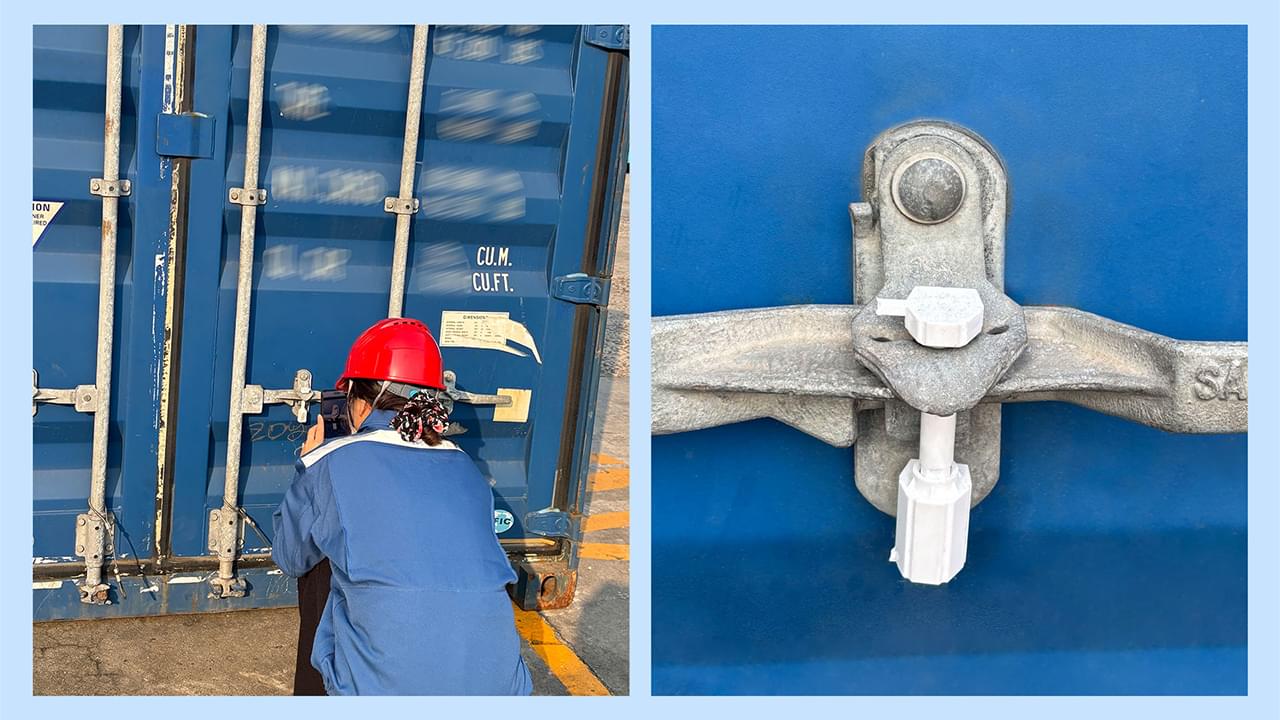
أختام الكابلات الحاصلة على شهادة ISO – المعيار العالمي للجودة
لماذا تُعد أختام الكابلات الحاصلة على شهادة ISO ضرورية لضمان سلامة سلسلة التوريد
تمثل شهادة ISO معيارًا معترفًا به دوليًا يضمن جودة الأختام الأمنية واتساقها وموثوقيتها.
بالنسبة لـ أختام الكابلات, ، والمعيار الأكثر صلة بهذا الشأن هو ISO 17712، الذي يحدد بروتوكولات اختبار صارمة تتعلق بالقوة الميكانيكية، والمتانة البيئية، ومقاومة التلاعب.
وقد خضعت المنتجات التي تحمل هذه الشهادة لتقييمات معملية شاملة، بما في ذلك اختبارات مقاومة الشد التي تقيس أقصى قوة سحب يمكنها تحملها قبل الانهيار، بالإضافة إلى اختبارات الصدم والقص لمحاكاة ظروف الاستخدام الفعلية.
علاوة على ذلك، تُصنف النماذج المعتمدة إلى ثلاثة مستويات أمنية – “S” (إرشادي)، و“H” (أمان عالٍ)، و“I” (للاستخدام على الحاويات) – مما يتيح لمديري اللوجستيات اختيار المستوى المناسب بناءً على تقييم المخاطر.
على سبيل المثال، تتطلب الأجهزة الإلكترونية عالية القيمة، والأدوية، وقطع غيار السيارات عادةً أختامًا من الدرجة “H”، التي توفر مقاومة فائقة لأدوات القطع ومحاولات الكسر.
ميزات التتبع وإمكانية التدقيق في أختام الكابلات الحاصلة على شهادة ISO
وبالإضافة إلى المتانة المادية، تضمن شهادة ISO أيضًا إمكانية التتبع، حيث يتم نقش رقم تسلسلي فريد ورمز شريطي على كل وحدة.
وهذا يتيح التكامل السلس مع أنظمة التتبع الرقمية.
إن الجمع بين السلامة الميكانيكية وإمكانية التدقيق يجعل هذه أختام الكابلات المعيار الذهبي لحاويات الشحن ومقطورات الشاحنات وبوابات المستودعات.
وهي تزود الشاحنين وشركات النقل وشركات التأمين بأدلة لا لبس فيها على سلامة البضائع أثناء النقل.
من خلال اختيار الخيارات الحاصلة على شهادة ISO، لا تكتفي الشركات بالوفاء بالمتطلبات التنظيمية فحسب، بل تعمل أيضًا على بناء الثقة مع الشركاء العالميين الذين يطالبون بتدابير أمنية قابلة للتحقق منها.
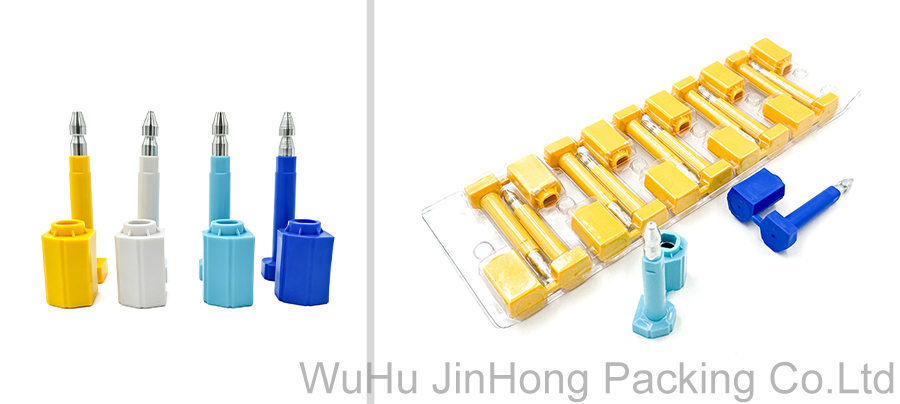
أختام الكابلات المقاومة للعبث – رادع مرئي ودليل لا لبس فيه
كيف تمنع أختام الكابلات المقاومة للعبث الوصول غير المصرح به
تم تصميم النماذج المقاومة للتلاعب خصيصًا لمنع الوصول غير المصرح به، مع ترك دليل واضح ودائم على أي تدخل.
وعلى عكس الأقفال التقليدية أو الأربطة البلاستيكية، التي يمكن فتحها وإغلاقها خلسةً، فإن أجهزة الأمان هذه مزودة بآلية قفل لا يمكن فكها دون إتلاف جسم الختم أو الكابل نفسه.
يتميز التصميم عادةً بنظام إدخال أحادي الاتجاه: فبمجرد دفع طرف الكابل إلى داخل حجرة القفل، تنغلق الكرات الفولاذية الداخلية أو المخالب المثبتة بإحكام، مما يجعل سحب الكابل مستحيلاً.
أي محاولة لقطع الكابل أو شده أو لفه ستؤدي إلى تشوه مرئي أو تغير في لون الغلاف البلاستيكي أو كسره، حيث غالبًا ما يحتوي هذا الغلاف على مكون قابل للكسر يتحطم تحت الضغط.
التطبيقات التي لا غنى فيها عن أختام الكابلات المقاومة للعبث
وتعد هذه الخاصية التي “تُظهر أي محاولة عبث” ذات قيمة لا تقدر بثمن في الحالات التي تنطوي على مخاطر كبيرة، مثل نقل السبائك والأحجار الكريمة والوثائق القانونية السرية وعينات التجارب السريرية.
في هذه الحالات، قد يؤدي حتى أي إهمال مؤقت في الحراسة إلى عواقب كارثية.
علاوة على ذلك، فإن العديد من الأجهزة المقاومة للتلاعب أختام الكابلات وهي مزودة بعلامات RFID أو رموز QR، مما يتيح للمفتشين التحقق من سلامة الأختام باستخدام أجهزة مسح ضوئية محمولة ومقارنة رقم الختم بقوائم الشحن في الوقت الفعلي.
بالنسبة للسلطات الجمركية ووكالات مراقبة الحدود، تعمل حلول القفل هذه على تسريع إجراءات التخليص الجمركي، حيث إن الدليل المرئي على سلامة الشحنة يقلل من الحاجة إلى إجراء عمليات تفتيش مادي تدخلية.
في جوهر الأمر، لا تعمل هذه المنتجات كحاجز مادي فحسب، بل تُشكل أيضًا رادعًا نفسيًّا، حيث تُشير إلى اللصوص المحتملين بأن أي اختراق سيتم اكتشافه على الفور ويمكن تحديد مرتكبه.
أختام الكابلات المصنوعة من الفولاذ المجلفن – متانة لا مثيل لها في البيئات القاسية
المقاومة الفائقة للتآكل التي تتميز بها أختام الكابلات المصنوعة من الفولاذ المجلفن
في حين أن العديد من الأختام تؤدي وظيفتها بشكل ملائم في البيئات الداخلية الخاضعة للرقابة، فإن العمليات اللوجستية الخارجية — ولا سيما الشحن البحري، ونقل البضائع بالسكك الحديدية، والتخزين في الهواء الطلق — تتطلب مقاومة استثنائية للتآكل ومقاومة للعوامل الجوية.
وهنا يأتي دور الفولاذ المجلفن أختام الكابلات إكسل.
تتضمن عملية الجلفنة طلاء الكابل الفولاذي بطبقة من الزنك باستخدام تقنيات الغمس الساخن أو الطلاء الكهربائي، مما يؤدي إلى تكوين حاجز وقائي يحمي المعدن الأساسي من الصدأ والأكسدة والتآكل الكيميائي.
حتى عند التعرض لرذاذ الملح، أو الرطوبة العالية، أو التقلبات الشديدة في درجات الحرارة، أو الغبار الكاشط، تحافظ الخيارات المجلفنة على قوة الشد وسلامة التثبيت لفترات طويلة — غالبًا ما تتجاوز 12 شهرًا من الاستخدام المتواصل في الهواء الطلق.
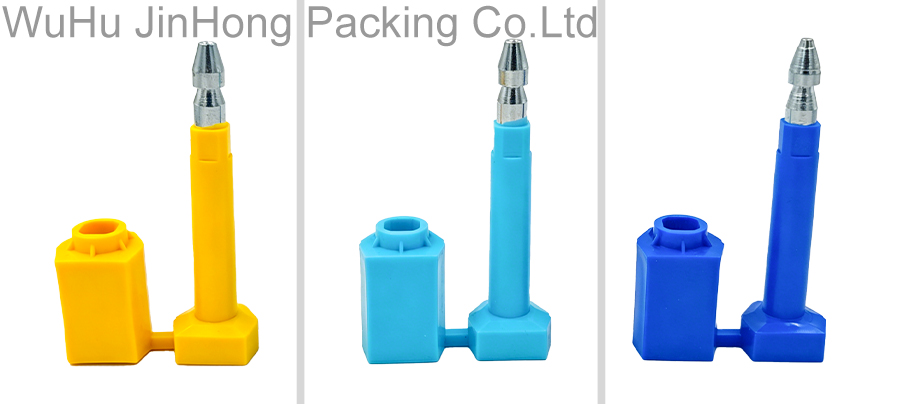
الفعالية من حيث التكلفة والأداء على المدى الطويل لأختام الكابلات المجلفنة
بالإضافة إلى ذلك، يوفر طلاء الزنك درجة من الانزلاق تسهل الإدخال والسحب بسلاسة أثناء عمليات الختم، مما يقلل من تآكل كل من الختم وأداة التطبيق.
بالنسبة للصناعات مثل النفط والغاز، والتعدين، ومواد البناء، والصادرات الزراعية، حيث قد يتم تخزين البضائع في محطات الموانئ لأسابيع أو نقلها عبر الطرق البحرية، فإن الفولاذ المجلفن أختام الكابلات تقدم حلاً موثوقًا ودائمًا.
فهي تقلل إلى أدنى حد من خطر تعطل الختم بسبب التدهور البيئي.
بالمقارنة مع البدائل المصنوعة من الفولاذ المقاوم للصدأ، توفر هذه المنتجات المجلفنة أداءً مماثلاً بسعر أكثر اقتصادية.
وهذا يجعلها خيارًا فعالاً من حيث التكلفة للشحنات بالجملة التي يتم فيها استهلاك كميات كبيرة يوميًا.
اختيار أختام الكابلات المناسبة – العوامل الرئيسية التي يجب أخذها في الاعتبار
تقييم احتياجاتك التشغيلية من أختام الكابلات
يتطلب اختيار جهاز الأمان الأمثل لتطبيق معين تقييمًا دقيقًا لعدد من المعايير.
أولاً، قم بتقييم قيمة الشحنة وحساسيتها: فالبضائع عالية القيمة تتطلب إجراءات أمنية مشددة معتمدة وفقًا لمعايير ISO أختام الكابلات, ، في حين أن السلع منخفضة المخاطر قد لا تتطلب سوى النماذج القياسية المزودة بآلية كشف التلاعب.
ثانياً، يجب مراعاة بيئة النقل: إذا كانت الرحلة تتضمن مسارات ساحلية أو ظروفاً مناخية قاسية، يُوصى بشدة باستخدام أنواع الفولاذ المجلفن.
بالنسبة لعمليات التسليم المحلية قصيرة المدى، قد تكفي الإصدارات القياسية المصنوعة من الفولاذ أو المطلية بالبلاستيك.
الامتثال للوائح التنظيمية والتكامل التكنولوجي لأختام الكابلات
ثالثًا، تقييم المتطلبات التنظيمية: تفرض العديد من الدول الامتثال لمعيار ISO 17712 على البضائع الواردة في حاويات، وقد تؤدي الأختام غير المطابقة للمعايير إلى تأخير الشحنات أو فرض غرامات.
رابعًا، فكر في الكفاءة التشغيلية: تتيح الأجهزة المزودة برموز شريطية أو تقنية RFID (التعرف على الترددات اللاسلكية) إمكانية جمع البيانات تلقائيًّا، مما يقلل من الأخطاء اليدوية ويحسن شفافية سلسلة التوريد.
تحقيق التوازن بين التكلفة والأمان باستخدام أختام الكابلات
وأخيرًا، قم بموازنة التكلفة مقابل المخاطر.
في حين أن الفئة الممتازة أختام الكابلات على الرغم من أن تكاليفها الأولية أعلى، إلا أنها غالبًا ما تقلل من أقساط التأمين والخسائر المرتبطة بالسرقة، مما يوفر عائدًا جيدًا على الاستثمار بمرور الوقت.
إن اتخاذ قرار مستنير بشأن هذه الأدوات الأمنية لا يقتصر على حماية الأصول فحسب، بل يسهم أيضًا في تعزيز الإنتاجية اللوجستية بشكل عام.
الخلاصة – تعزيز الأمن والمهنية باستخدام أختام الكابلات
باختصار،, أختام الكابلات – سواء كانت حاصلة على شهادة ISO، أو مقاومة للعبث، أو مصنوعة من الفولاذ المجلفن – توفر إطارًا أمنيًا شاملاً يحمي البضائع من المصنع وحتى وجهتها النهائية.
من خلال اختيار النوع المناسب، لا تقتصر شركات الخدمات اللوجستية على حماية الأصول المادية فحسب، بل تُظهر أيضًا التزامها بالتميز التشغيلي وخدمة العملاء.
تسهم استراتيجية الختم الفعالة في تعزيز سمعة العلامة التجارية، وتقوية الثقة مع العملاء والشركاء، وتبسيط الإجراءات الجمركية والتأمينية.
مع استمرار تطور سلاسل التوريد بفضل الرقمنة والترابط العالمي، ستظل هذه الأجهزة التي لا غنى عنها أداة أساسية وفعالة في مكافحة الجرائم المتعلقة بالبضائع.
اجعل كل شحنة خالية من القلق – استثمر في منتجات عالية الجودة أختام الكابلات اليوم، واجعل منتجاتك تُنقل بثقة.
للحصول على مزيد من الإرشادات حول اختيار الحل الأمني المثالي الذي يلبي احتياجاتك المحددة، لا تتردد في التواصل مع فريق الخبراء لدينا — فنحن هنا لمساعدتك في حماية ما يهمك أكثر من أي شيء آخر.