
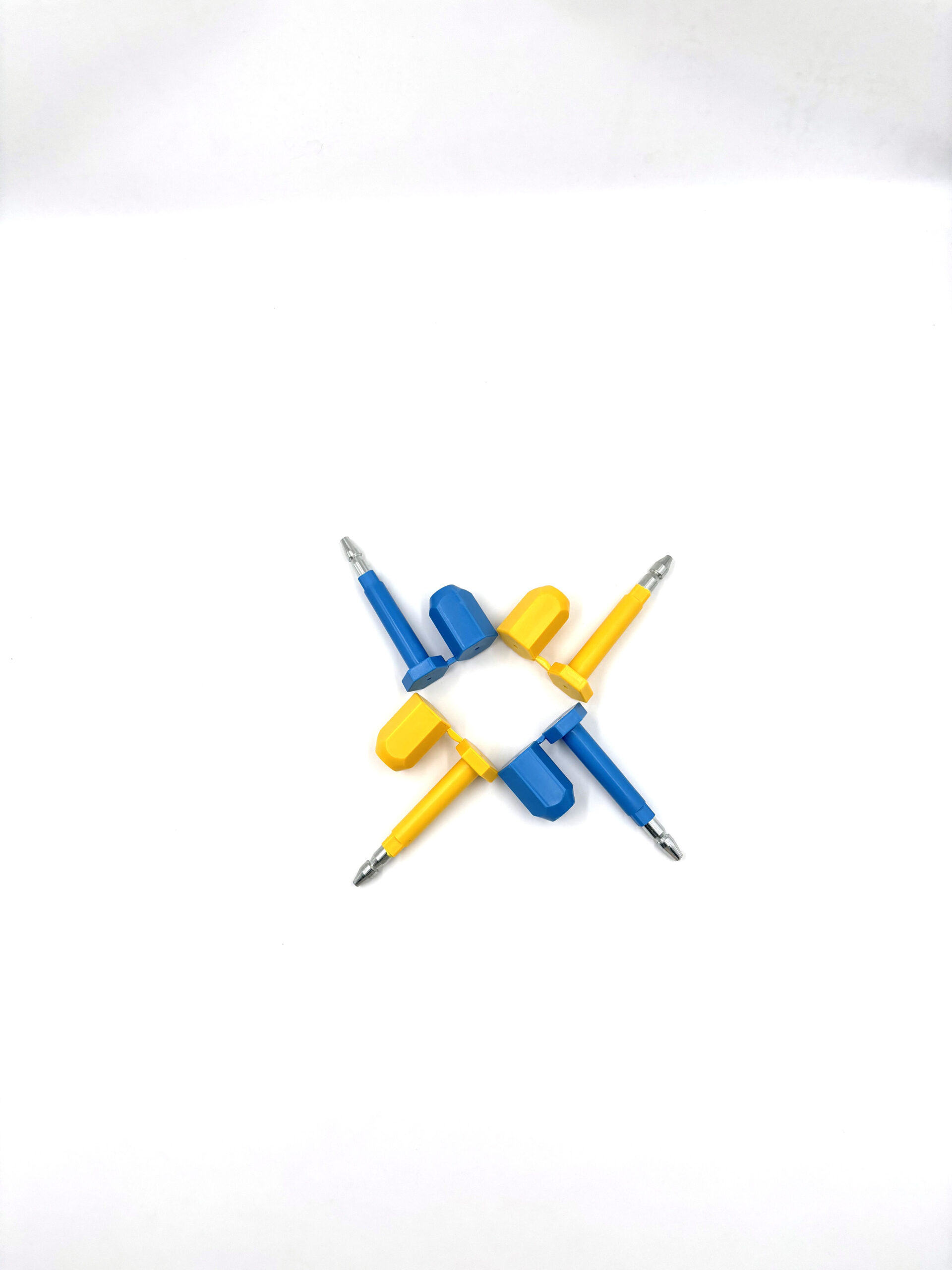
Security is paramount in the global shipping and logistics world. The ISO 17712 standard for container seals ensures that cargo is protected from tampering and theft while in transit. Choosing the right seal supplier is essential to maintaining compliance and security. This guide will take a deep dive into the key aspects to consider when selecting an ISO 17712 container seal supplier.

Understanding the ISO 17712 Standard
ISO 17712 is an important standard for container seals that details the requirements for high-security, medium-security, and customs seals. High-security seals are designed to resist significant tampering attempts and are typically used in high-risk scenarios. Medium-security seals offer a moderate level of protection and are suitable for less sensitive cargo. Customs seals are often used to comply with customs regulations and are not as strong as high-security seals. The standard specifies rigorous testing criteria to ensure that the seals meet specific security and durability requirements.
Evaluating Supplier Qualifications
When selecting a supplier, the first step is to verify that they are ISO 17712 certified. This certification confirms that the supplier’s seals meet the necessary security standards. It is also important to ensure that suppliers adhere to international quality management systems such as ISO 9001 to ensure consistent quality and reliability of their products. Consider the supplier’s industry experience and reputation. Suppliers with a good track record are more likely to provide high-quality, compliant seals.
If you don’t know which supplier to choose, you can try JH Security Packing, which is committed to providing professional, comprehensive integrated logistics and warehousing one-stop services. Our high-quality security seals are used by many industries, such as sea, land and air transportation, banking, postal services, oil and gas industries, supermarkets, etc. Each of our products can be printed with laser barcodes, and more colors are available upon request. We believe that the best way to support our customers is to produce more high-quality products to meet their requirements.
Evaluate product quality and performance
The quality of the materials and structure used in the seal is crucial. Make sure the seal is made of strong materials that can withstand environmental stress and tampering attempts. The tamper-proof and security features of the seal should be carefully checked to confirm that they meet the required security level. Durability tests are conducted to ensure that the seal performs well under various conditions, such as extreme temperature and humidity.
Review the Supplier’s Testing and Validation Procedures
A reliable supplier should perform thorough testing to validate their seals. Ask about the types of testing performed, including pull and shear tests, which assess the seal’s strength and resistance to tampering. It’s also critical to verify that these tests are performed by an accredited third-party laboratory to ensure that the results are fair and accurate. Understanding the supplier’s internal quality control processes will provide insight into their commitment to maintaining high standards.

Analyze Customer Support and Service
Effective customer support can significantly improve your overall experience with a supplier. Evaluate whether technical assistance and expertise are available to resolve any issues or questions. Check if the supplier offers options for customizing seals for your specific needs. Additionally, evaluate the supplier’s responsiveness to inquiries and how quickly they resolve any issues that arise.
Compare Cost and Value
Cost is a key factor, but it should be balanced with the quality of the seal. Understand the pricing structure and any additional fees associated with the seal. Evaluate the value for money by comparing the cost to the quality and performance of the seals provided. Explore bulk purchase and discount options to optimize your budget while ensuring you receive a high-quality product.
Choosing the right ISO 17712 container seal supplier is critical to maintaining security and compliance in shipping and logistics. You can make an informed decision by understanding the standard, evaluating supplier qualifications, assessing product quality, reviewing testing procedures, and analyzing customer support. Prioritizing these factors will help ensure that you choose a supplier that can provide reliable, high-quality seals and meet all necessary security requirements.
Contact us for detailed ordering information on our products!