
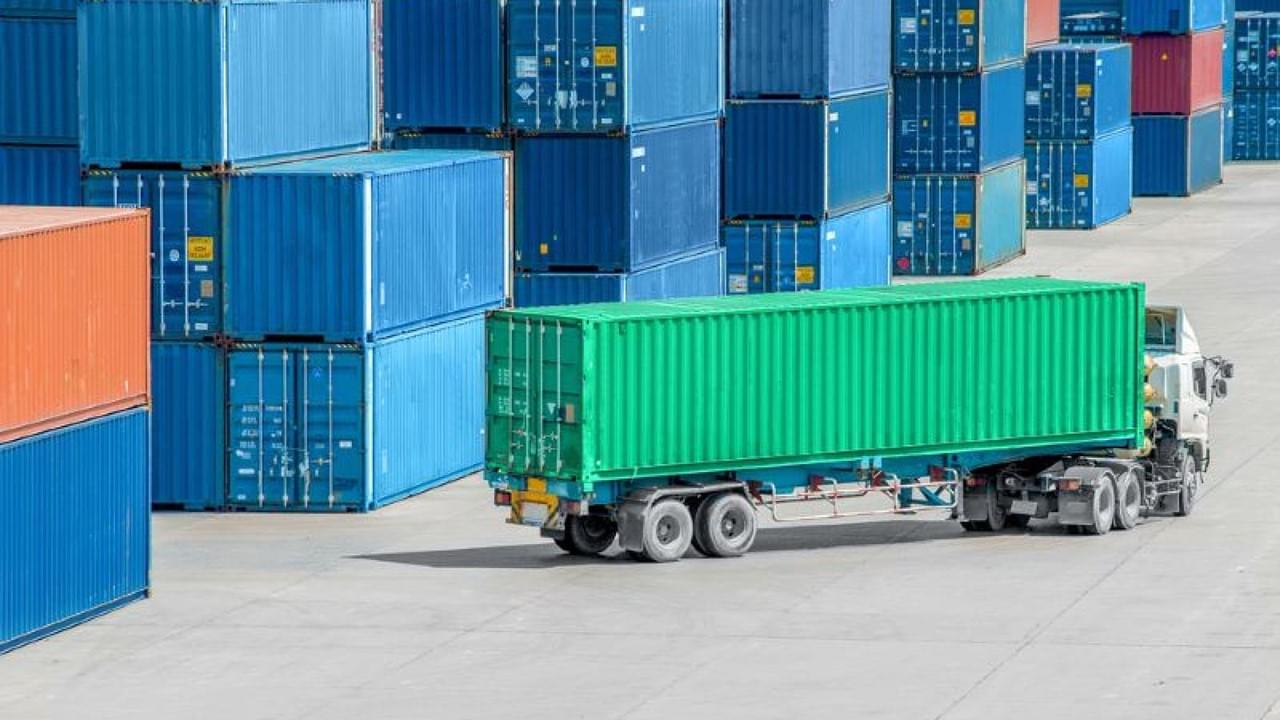
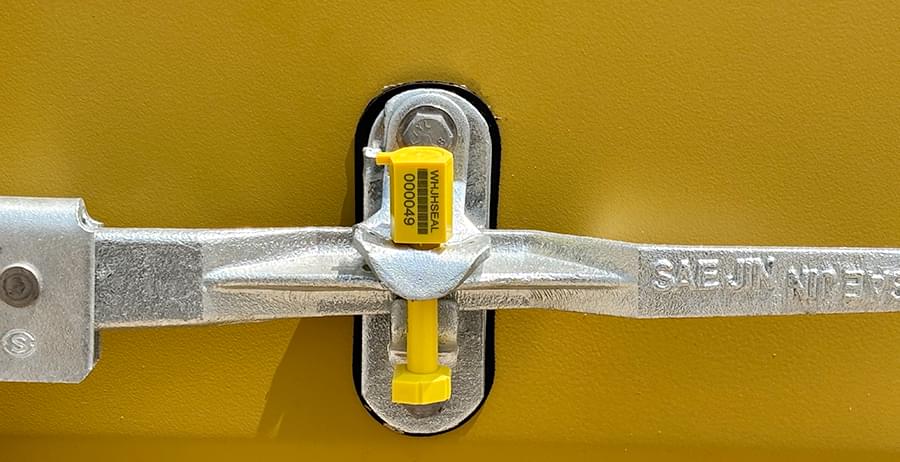
In the realm of securing valuable cargo, the integration of container seals emerges as a cost-effective, straightforward, and proven solution for businesses operating within the supply chain. A container seal, serving as a tamper-evident security device, acts as a robust physical barrier at heavy-duty entry points of shipping containers. Crafted to endure harsh weather conditions and rough handling during transit, these seals play a crucial role in ensuring the integrity of containers throughout their journey. Each seal bears a unique identification number and is designed for one-time use only, providing both traceability and accountability.
Benefits of Container Seals:
Container seals, while not entirely tamper-proof, offer a dual function: they provide visible evidence of tampering and act as a deterrent to unauthorized access. They send a clear message to would-be thieves or unauthorized handlers that the container is monitored and protected. More than just a deterrent, seals provide visual assurance to shipping personnel, customs officials, and end recipients that the cargo has not been opened or interfered with since its departure from the point of origin.
This assurance is critical in international logistics. Any tampering with or alteration of the seal during transit must be properly documented and updated on the international waybill (CMR). Failure to do so may result in legal disputes, customs delays, or loss of customer trust.
Drivers receiving the goods at the destination play a pivotal role in this process. They are responsible for verifying the seal’s presence, checking that the seal number matches the records, and reporting any discrepancies immediately to the transport management team. A broken, missing, or mismatched seal is considered clear evidence of potential theft, mishandling, or product substitution.
Additionally, container seals help protect the contents from environmental damage, ensuring that container doors remain tightly shut. This is especially important for temperature-sensitive or perishable items such as pharmaceuticals, food products, or chemicals, where exposure to air, moisture, or temperature fluctuations can lead to spoilage or loss.
Types of Container Seals:
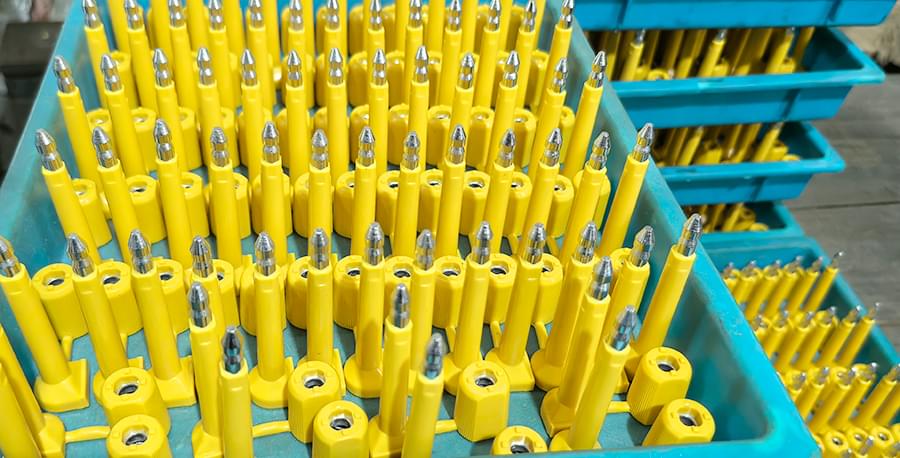
- Plastic Seals: Plastic seals are best suited for low- to medium-value cargo and are often used for short-haul trips. These seals offer clear visual tamper evidence, which helps in quick inspection and verification. However, they do not provide a strong physical barrier, as they can be easily cut or broken. Still, their affordability and simplicity make them ideal for certain shipping scenarios, especially where the risk of tampering is low.
- Bolt Seals: Bolt seals are heavy-duty security seals made from strong metal materials, typically steel, and are widely used for high-value or international cargo. They provide a much higher level of physical protection and are compliant with ISO 17712 and C-TPAT (Customs-Trade Partnership Against Terrorism) regulations. This compliance is often required for containers entering countries like the United States. Due to their strength, bolt seals can only be removed using industrial bolt cutters, making them extremely difficult to tamper with discreetly.
- Cable Seals: Cable seals feature a flexible steel cable that can be adjusted to fit different types of locking mechanisms on containers, railcars, or trucks. Their versatility and strength make them ideal for a variety of cargo types. These seals are only removable with specialized tools, and the cable must be cut to open the seal, leaving clear evidence of tampering. Cable seals are often used when both strength and adaptability are required, and they offer an excellent balance between security and flexibility.
Conclusion
Container seals play a vital role in modern logistics and supply chain management. By offering tamper evidence, security, and peace of mind, they help ensure that goods reach their destination intact and uncompromised. Choosing the right type of seal—plastic, bolt, or cable—depends on cargo value, journey length, regulatory requirements, and the level of security needed. When properly used and monitored, container seals become a cornerstone of responsible, secure global trade.
Welcome to order. Very glad to serve you