
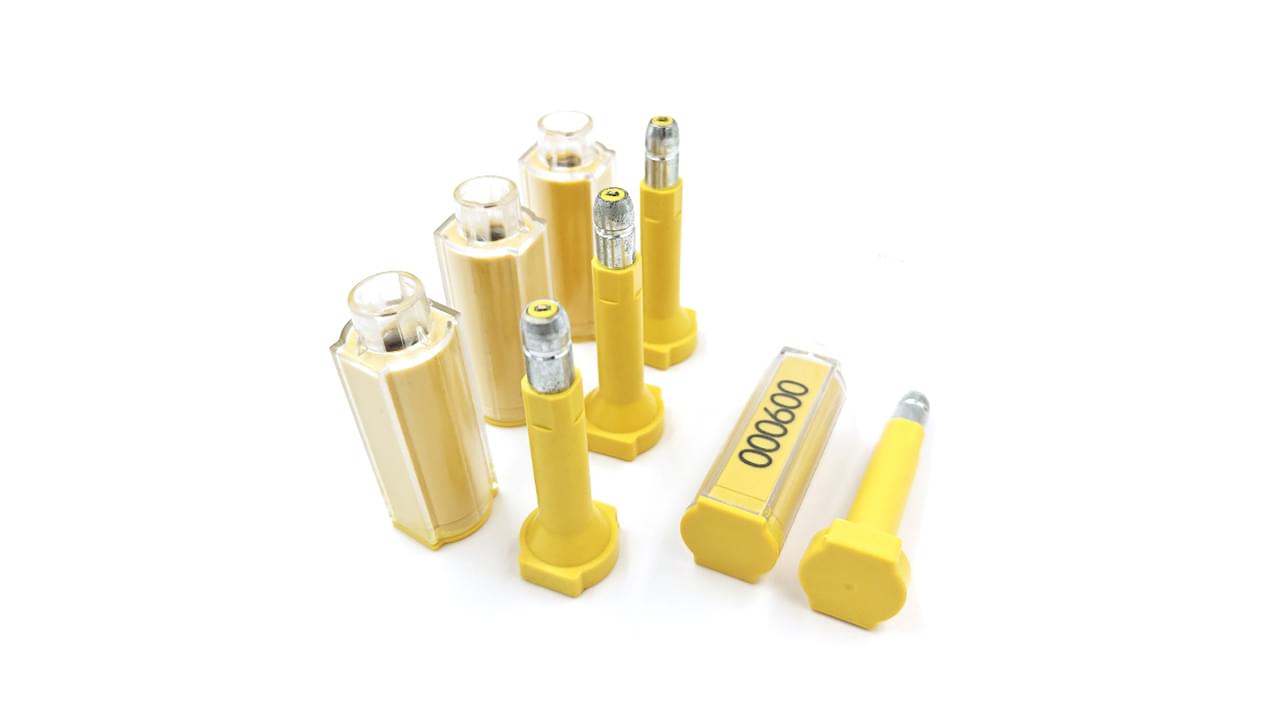
Les scellés à boulon pour conteneurs sont des dispositifs de haute sécurité conformes à la norme ISO 17712, classe “ H ”, utilisés dans le transport maritime international. Cet article présente cinq avantages clés des scellés à boulon pour conteneurs, notamment la sécurité du fret, la détection des effractions, la résistance aux conditions environnementales, la durabilité, l'efficacité opérationnelle et les économies à long terme dans le domaine de la logistique internationale.
Alors que le commerce international ne cesse de se développer, les chaînes d'approvisionnement mondiales sont confrontées à des défis croissants en matière de sécurité du fret, de conformité réglementaire et d'efficacité opérationnelle. Parmi les dispositifs de sécurité physique les plus largement utilisés dans le transport par conteneurs, joints de boulon de conteneur jouent un rôle essentiel dans la protection des marchandises lors du transport intermodal. Certifiés conformes à la norme ISO 17712 “ H ” relative aux normes de haute sécurité, ces scellés constituent un moyen fiable d’empêcher tout accès non autorisé et de garantir l’intégrité des marchandises sur les réseaux logistiques longue distance.
Cet article présente cinq avantages majeurs des scellés à vis pour conteneurs et explique pourquoi ils sont devenus un élément indispensable des systèmes de transport maritime internationaux modernes.
1. Sécurité renforcée des marchandises et dispositifs anti-falsification
Le principal avantage des scellés à boulon pour conteneurs réside dans leur haut niveau de sécurité. Chaque scellé se compose d’un boulon en acier trempé et d’un capuchon de verrouillage qui ne peut être retiré qu’à l’aide d’une pince coupante spécialisée. Une fois verrouillé, le scellé ne peut être rouvert sans laisser de traces visibles d’effraction.
De plus, chaque scellé à vis des conteneurs est muni d’un numéro de série unique, souvent associé à des codes-barres ou à des codes QR. Cela permet aux opérateurs logistiques de suivre et de vérifier l’identité du scellé à chaque étape du transport, créant ainsi une chaîne de contrôle sécurisée. Si un scellé est brisé ou ne correspond pas, cela constitue une preuve immédiate d’une éventuelle altération.
Cette fonctionnalité permet de respecter les cadres de sécurité internationaux tels que le C-TPAT (Partenariat douanes-commerce contre le terrorisme) et l'AEO (Opérateur économique agréé), faisant ainsi des scellés à boulon pour conteneurs une solution fiable pour les voies commerciales mondiales réglementées.
2. Grande résistance aux conditions environnementales difficiles
Les conteneurs maritimes sont exposés à des conditions environnementales très variées, notamment l'humidité, l'eau de mer, la poussière et des variations extrêmes de température. Les scellés à vis pour conteneurs sont conçus pour résister à ces contraintes sans compromettre leur intégrité structurelle.
La plupart des joints de haute qualité sont fabriqués en acier allié résistant à la corrosion et recouverts de couches protectrices pour empêcher la rouille. Certains modèles sont également équipés de joints d'étanchéité qui améliorent la résistance à la pénétration de l'humidité et de la poussière.
Cette résistance garantit la protection des marchandises, même lors de longs voyages en mer ou d'un stockage dans des environnements extérieurs difficiles. Des secteurs tels que l'industrie pharmaceutique, l'électronique et la logistique alimentaire tirent particulièrement profit de ce niveau de protection contre les aléas environnementaux.
3. Grande résistance mécanique et résistance aux chocs
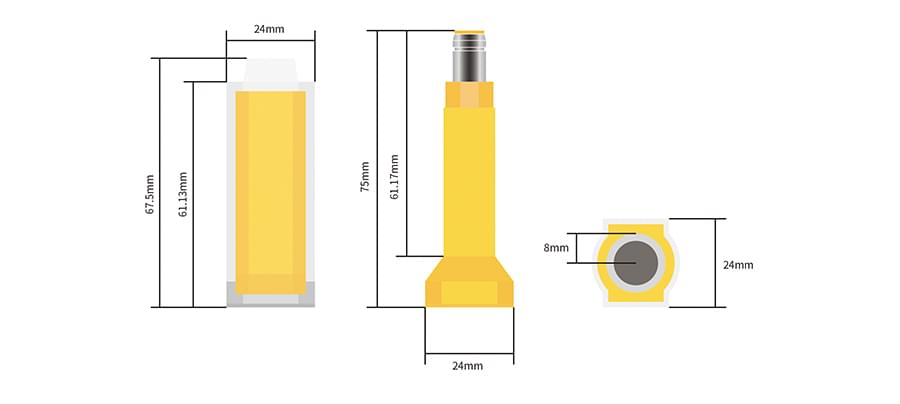
Les scellés à boulon pour conteneurs sont conçus pour répondre aux exigences de la norme ISO 17712, classe “ H ”, qui définit des critères stricts en matière de résistance à la traction, à la cisaillement et à l'effraction. En règle générale, ces scellés doivent pouvoir résister à des forces supérieures à 1 000 kg sans céder.
Pendant le transport, les conteneurs sont soumis à des vibrations, à la pression exercée par l'empilement et aux chocs liés à la manutention mécanique. Les méthodes de fermeture de qualité inférieure peuvent céder dans de telles conditions, mais les joints à boulons des conteneurs garantissent la stabilité structurelle tout au long du cycle logistique.
Cette résistance mécanique élevée réduit le risque d'endommagement accidentel du scellé, garantissant ainsi une sécurité constante du point de départ jusqu'à la destination.
4. Efficacité opérationnelle et facilité d'utilisation
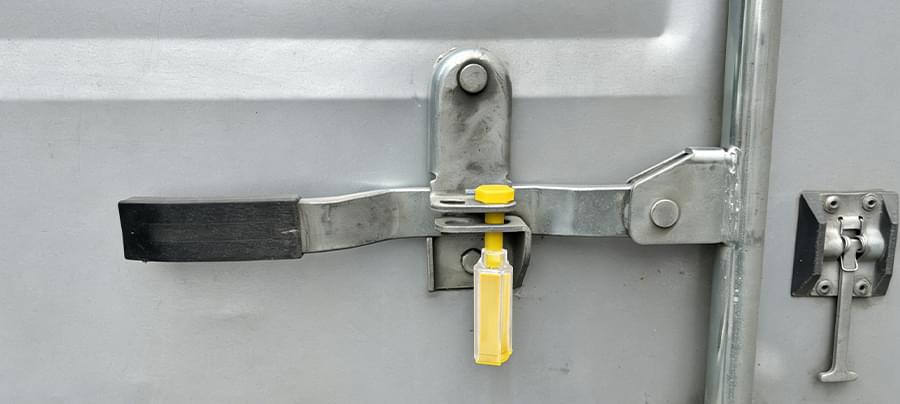
Malgré leur conception hautement sécurisée, les scellés à boulon pour conteneurs sont simples et efficaces à utiliser. La mise en place du scellé ne prend que quelques secondes : il suffit d'insérer le boulon dans le loquet du conteneur et de le verrouiller jusqu'à ce qu'il s'enclenche correctement.
Cette simplicité améliore considérablement l'efficacité des processus dans les ports, les entrepôts et les centres de distribution où d'importants volumes de conteneurs doivent être traités quotidiennement. Les inspecteurs peuvent également vérifier rapidement l'intégrité des scellés grâce à un contrôle visuel des numéros de série ou des indicateurs de couleur.
Par rapport aux systèmes de verrouillage électroniques plus complexes, les scellés à boulon pour conteneurs offrent un bon compromis entre sécurité et rapidité d'utilisation.
5. Rentabilité à long terme et réduction des risques
Bien que les scellés à boulon pour conteneurs soient plus chers que les scellés classiques en plastique ou à câble, ils permettent de réduire considérablement le coût total de possession à long terme. Leur durabilité et leur résistance à la manipulation frauduleuse contribuent à réduire les pertes de marchandises, les déclarations de sinistre et les litiges administratifs.
De nombreux assureurs considèrent l'utilisation de scellés à vis pour conteneurs certifiés ISO comme un facteur de réduction des risques, ce qui peut contribuer à faire baisser les primes d'assurance pour les envois de grande valeur.
De plus, l'accélération des contrôles et la réduction des erreurs de manutention améliorent l'efficacité globale de la chaîne logistique, ce qui se traduit par une baisse des coûts d'exploitation. Dans les environnements logistiques à fort volume, ces économies compensent rapidement l'investissement initial dans des solutions de scellage haut de gamme.
Conclusion
Alors que les réseaux logistiques mondiaux gagnent en complexité et que les risques liés à la sécurité ne cessent d'évoluer, les scellés à boulon pour conteneurs restent un élément de sécurité fondamental dans le transport international de marchandises. Alliant haute sécurité, résistance aux intempéries, solidité mécanique, efficacité opérationnelle et rapport coût-efficacité, ils constituent un outil indispensable à la gestion moderne de la chaîne d'approvisionnement.
À l'avenir, des avancées telles que les scellés intelligents dotés de la technologie RFID, du suivi GPS et de l'intégration de la blockchain devraient permettre d'améliorer encore la visibilité et la traçabilité au sein des systèmes de transport maritime mondiaux. Toutefois, la valeur fondamentale du scellé à boulon pour conteneurs — à savoir garantir une sécurité physique fiable et inviolable — restera indispensable.
Pour les entreprises actives dans le commerce international, investir dans des scellés à vis de haute qualité pour conteneurs n'est pas seulement une obligation de conformité, mais une décision stratégique visant à garantir la résilience à long terme de la chaîne d'approvisionnement et la stabilité opérationnelle.