

Plastic seals are widely used in all walks of life and are an important tool for anti-theft and anti-counterfeiting. High-security plastic seals can not only effectively prevent illegal opening and tampering, but also improve the management efficiency of enterprises and reduce risks. The following will introduce you to how to choose high-security plastic seals to help you make a more informed decision.
Determine Usage Scenarios and Security Requirements for High-Security Plastic Seals
First, when choosing high-security plastic seals, you should determine the type and specifications of the seals according to the specific usage scenario and security requirements. For example:
- Logistics and transportation: If the product may be touched or moved during long-term transportation, the security of the seal is crucial. In this case, choosing a seal with a tamper-proof mark and serial number can ensure that the seal cannot be reset or replaced without authorization.
- Warehousing and storage: For warehouse management, seals not only play an anti-theft role, but should also have clear identification and easy-to-check characteristics to quickly verify whether damage has occurred.
- Food and pharmaceutical industry: Seals for food and medicine must meet relevant hygiene and quality standards and provide effective anti-counterfeiting functions to prevent tampering and theft.
Choose the Right Type of High-Security Plastic Seal
High-security plastic seals usually come in several different types, each with its own characteristics and applicable scenarios. Common types of high-security plastic seals include:
- Disposable seals (pull-wire seals): Disposable seals cannot be reclosed after use and are suitable for occasions that require long-term tracking and tamper-proofing. They usually have digital codes or barcodes, strong traceability, and are suitable for environments with high security requirements.
- Plastic pull-wire seals: Pull tight plastic security seals ensure safety through a tightening mechanism and are often used in transportation and warehousing. The structural design of pull-wire seals makes them unable to return to their original state once opened, and they have strong tamper-proof capabilities.
- High-security indicator seals: This type of seal has a special logo, pattern or QR code that can provide clear visual markings to help immediately identify whether it has been illegally interfered with when it is opened.
- Programmable electronic seals: High-end electronic seals integrate technologies such as RFID or NFC, which can provide more advanced anti-tampering functions and can record the opening time, location and operator information of the seal. This type of seal is usually suitable for the transportation of high-value goods and high-security application environments.
Tamper-Proof Design Features of High-Security Plastic Seals
A high-security plastic seal must have a strong tamper-proof function, which can effectively identify whether the seal has been damaged without authorization. Common tamper-proof designs include:
- Destructive seals: Once cut or pried open, the seal will undergo irreversible changes (such as tearing, fading, damage to the mark, etc.), and any tampering behavior can be immediately discovered.
- Printing and lettering technology: Some plastic seals use laser printing, heat pressing or other anti-counterfeiting technologies during the production process, so that once the seal is damaged, the printed content will be damaged and cannot be restored.
- Unique numbering and barcodes: By equipping each seal with a unique number, barcode or QR code, it can be ensured that each seal has a clear identity and the use of the seal can be tracked through systematic management.
Size and Design Considerations for High-Security Plastic Seals
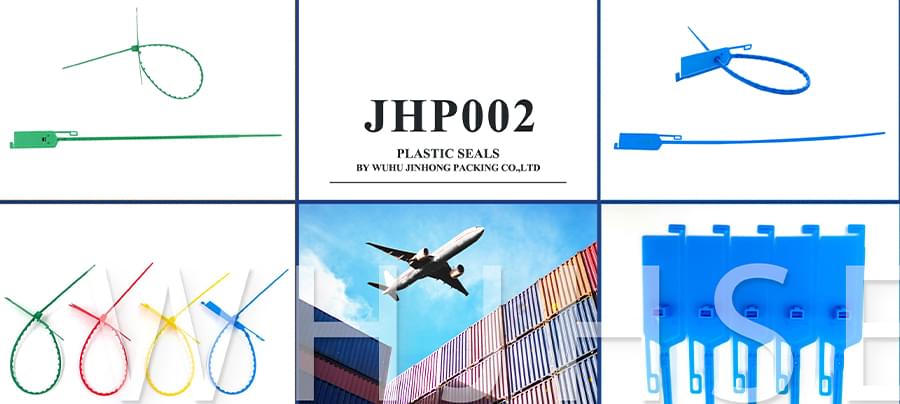
The size and design of the seal also affect its security and applicability. Longer or thicker seals can provide stronger closure, while specially designed seals can be optimized according to the application scenario. For example, the length, width and locking mechanism of the seal may affect its security and tamper-proofness.
In addition, the color and appearance of the seal can also be an important factor in identification. Through different colors or logo designs, companies can specify special seals for different types of goods or transportation methods, thereby reducing the risk of confusion and misuse.
Compliance and Certification of High-Security Plastic Seals
When choosing plastic seals, you should confirm whether the product complies with relevant industry standards and regulations. Different countries and regions have different requirements for the safety and quality of seals. For example, the international logistics industry has strict standards for the strength, durability and tamper-proof function of seals. Choosing seals that meet certification can effectively avoid safety hazards caused by substandard quality.
Selecting a Reliable Supplier for High-Security Plastic Seals
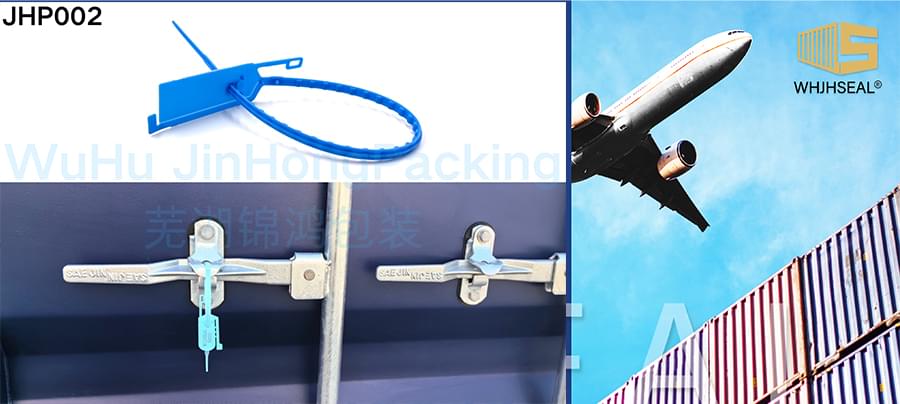
Choosing a reliable plastic seal supplier is an important step to ensure the quality and safety of plastic seals. Suppliers with good reputation, quality assurance and the ability to customize seals according to actual needs should be selected. In addition, the supplier’s after-sales service and product traceability system are also very important to ensure that you can get timely support when you encounter problems during use.
Conclusion
When choosing high-security plastic seals, you should consider the above factors comprehensively. Through scientific selection and reasonable application, plastic seals can play an important role in ensuring safety, preventing theft and tampering, and improving management efficiency, providing strong protection for your assets and information security.