3 Types of Security Seals: A Comprehensive Guide to Plastic, Metal, and Pull-Tight Options

3 Types of Security Seals A Comprehensive Guide to Plastic, Metal, and Pull-Tight Options

In modern logistics and cargo protection, security seals are indispensable tools for ensuring shipment integrity, deterring unauthorized access, and providing clear evidence of tampering. Whether you handle small parcels or large container fleets, the proper selection of these devices directly influences risk management, regulatory adherence, and operational speed. Based on materials and locking principles, such seals fall into three major categories: plastic, metal, and pull‑tight designs. Each type offers distinct benefits, and knowing their differences is the foundation of a solid protection strategy.


Plastic Security Seals – Economical and Adaptable

Defining Plastic Security Seals
Plastic variants are typically made from polyethylene or polypropylene. They are mass‑produced in various colours, lengths, and break strengths. Their affordability and quick application make them the most common choice for everyday logistics tasks.

Core Strengths of Plastic Options

  • Lightness and ease – Weighing only a few grams, these seals add virtually no extra load. Their flexible straps pass easily through rings or holes, and no tools are needed—perfect for high‑throughput environments.
  • Water and corrosion resistance – Unlike metal, plastic does not rust, so these seals perform reliably in damp warehouses, cold chains, or marine shipments.
  • Custom branding and tracking – Logos, barcodes, and serial numbers can be printed directly on the surface, aiding brand visibility and digital inventory integration.

Where They Shine – and Their Limits
You will often find plastic seals on courier bags, mail sacks, utility meters, fire extinguishers, and retail tags. However, their tensile strength is lower than metal, so they are not ideal for heavy or precious cargo. They act mainly as visible deterrents rather than absolute barriers, yet for many routine consignments, they offer outstanding value.


3 Types of Security Seals A Comprehensive Guide to Plastic, Metal, and Pull-Tight Options

Metal Security Seals – Ultimate Durability and Tamper Evidence

Understanding Metal Security Seals
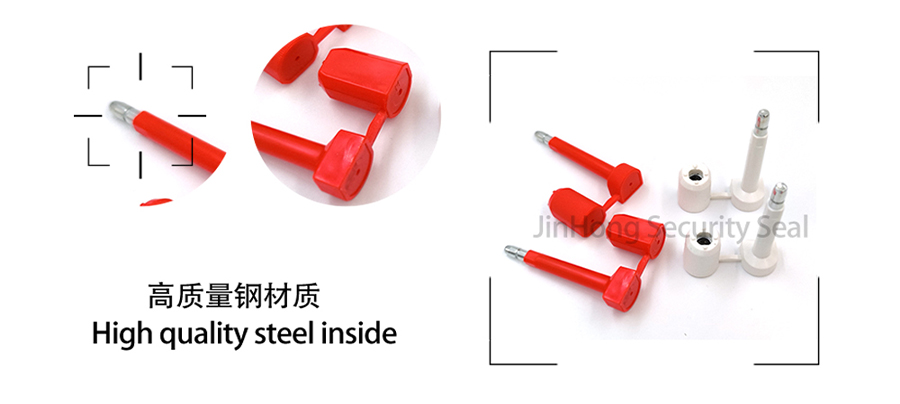
Metal versions are crafted from stainless steel, galvanised steel, or aluminium alloys. They are built for extreme conditions and are frequently mandated by customs and insurers for international freight.

Why Metal is the Heavyweight Champion

  • Superior break strength – With tensile ratings often above 1,000 kg, these seals can handle heavy machinery, coiled steel, and fully loaded shipping containers without accidental snapping.
  • Advanced tamper‑evident features – High‑grade metal designs incorporate locking mechanisms that permanently deform or show clear marks if forced open. Many bolt‑type models include a numbered insert that fractures upon removal, leaving indisputable proof of interference.
  • All‑climate resilience – They function flawlessly from −40°C to over 100°C, resisting UV and salt spray, which makes them ideal for maritime, rail, and outdoor storage yards.

Typical Deployment Scenarios
ISO containers, railway wagons, tanker trucks, high‑value electronics, and pharmaceutical bulk shipments all rely on these robust devices. They comply with international standards like ISO 17712 for “High Security” ratings, often a strict requirement for cross‑border trade. For valuable or regulated goods, investing in metal is a wise decision.


3 Types of Security Seals A Comprehensive Guide to Plastic, Metal, and Pull-Tight Options

Pull‑tight Security Seals – Convenience Meets Robust Protection

What Are Pull‑tight Seals?
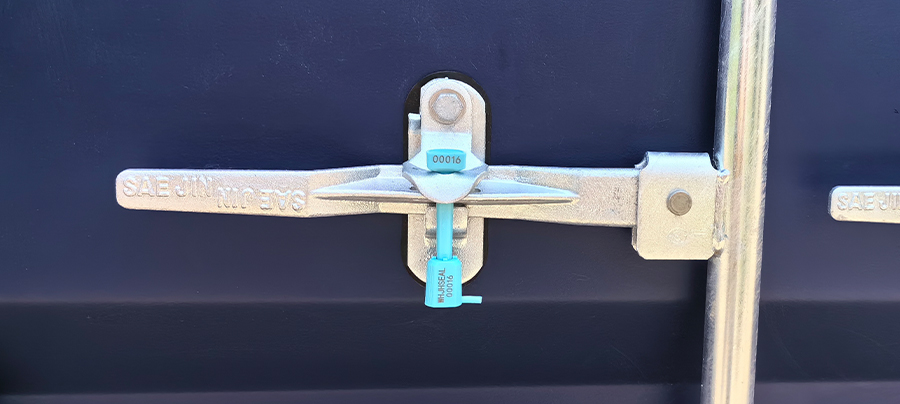
Pull‑tight designs combine a flexible steel cable or high‑strength strap with a locking head that cinches when pulled. They offer a balanced compromise between the economy of plastic and the toughness of metal.

Advantages of Pull‑tight Mechanisms

  • Tool‑free, one‑handed application – Insert the free end and pull; the internal ratchet or friction lock secures instantly. This saves valuable time during peak dispatch hours.
  • High resistance to covert opening – Once locked, the cable cannot be loosened without visible damage. The locking head usually contains a hardened steel ball that grips firmly, making surreptitious release nearly impossible.
  • Adaptable to various shapes – Available in different diameters and lengths, these seals fit loops of many sizes—from small valve handles to large container doors, drums, and roll‑up shutters.

Optimal Use Cases
Tanker hatches, gas cylinder valves, railway wagon doors, airline cargo holds, and high‑security courier bags frequently use pull‑tight seals. They are also popular for event access control and utility metering. While they are stronger than plain plastic, they may not match the break force of heavy‑duty bolt seals, so careful routing is essential. Nonetheless, when both speed and security are priorities, these devices are an excellent choice.


Selecting the Ideal Seal for Your Operation

Choosing among the three categories requires thoughtful evaluation of several factors:

  • Cargo worth and risk level – Low‑cost consumer goods may only need plastic for basic integrity, while luxury items or dangerous materials demand metal or pull‑tight options.
  • Environmental exposure – For outdoor, marine, or extreme‑temperature routes, prefer metal or weather‑resistant pull‑tight types. For indoor, dry conditions, plastic suffices.
  • Throughput demands – High‑volume sorting lines benefit from rapid application of plastic or pull‑tight designs; metal bolt seals take longer to install and remove.
  • Regulatory mandates – Many countries require seals that meet ISO 17712. Always check that your chosen product has the appropriate certification (e.g., “Indicative” or “High Security”).
  • Traceability requirements – If you need integration with warehouse systems, opt for seals with pre‑printed or laser‑engraved unique identifiers that are easily scannable.

Best Practices for Effective Seal Usage

Even the finest seals can underperform if applied incorrectly. Follow these guidelines to maximise protection:

  • Inspect each seal for damage before installation.
  • Record the seal number and attach it to shipping documents.
  • Train staff on proper application—over‑tightening or misrouting reduces effectiveness.
  • Remove seals carefully during inspections to preserve tamper evidence.
  • Maintain a log of seal numbers and corresponding shipments for quick verification in case of disputes.

結論

Though small in size, these protective devices are a vital investment in supply chain reliability. Plastic options offer an economical, customisable solution for everyday, low‑risk shipments. Metal variants deliver uncompromising strength and tamper evidence for high‑value or regulated cargo. Pull‑tight designs provide a versatile middle ground, blending ease of use with solid security.

No single type fits all situations—the best choice depends on your specific operational context, budget, and regulatory landscape. By weighing these aspects and implementing proper handling, you can significantly cut losses, avoid costly disputes, and strengthen customer trust.

Start with the right seal today—and ensure every shipment, from departure to delivery, arrives safe and sound.

http://www.customs.gov.cn

フェイスブック
ワッツアップ
ツイッター
リンクトイン
ピンタレスト
お見逃しなく!
連絡する
こちらのフォームにご記入いただければ、できるだけ早くご返信させていただきます。