
What Users Care About
What Users Care About
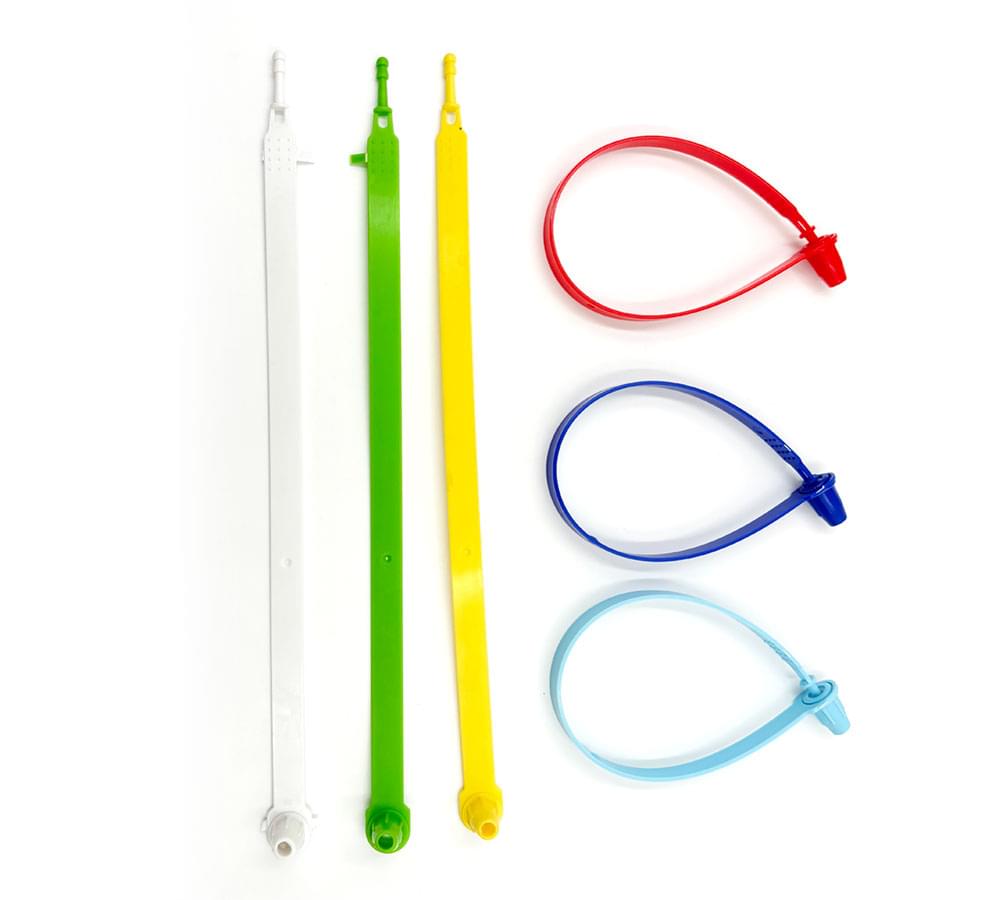
When it comes to plastic container seals, users primarily care about the following aspects:
- Leak-Proofness: Ensuring that the seal effectively prevents leakage of contents, especially for liquids or sensitive materials. A tight, secure seal is essential to avoid accidental spills during transport or storage.
- Tamper-Evidence: Providing clear indications of any unauthorized access or handling of the container. This is crucial for sectors where product integrity is vital, such as food, pharmaceuticals, and chemicals.
- Durability: Plastic seals need to withstand various environmental conditions, including extreme temperatures, moisture, and exposure to chemicals. This durability ensures that the seal remains intact and functional over time.
- Ease of Use: Users prefer seals that are easy to apply and remove, without the need for specialized tools or effort. A hassle-free experience is crucial for both manufacturers and consumers.
Solutions for User Concerns
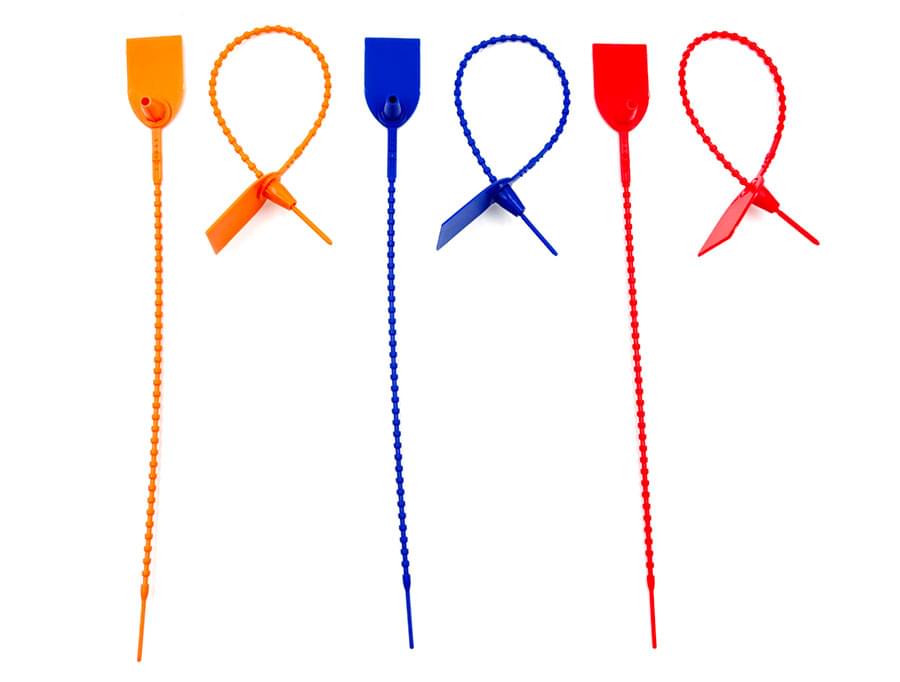
Plastic container seals address these concerns with advanced features:
- Sealed Tight: High-quality seals, including snap-on closures, threaded caps, and tamper-evident bands, create a robust barrier that prevents leakage of both liquids and gases.
- Tamper-Proof: Many seals incorporate visual indicators such as holographic labels, color-changing inks, or breakaway features that signal unauthorized tampering. These indicators provide an additional layer of security for both consumers and manufacturers.
- Durable Construction: Materials like High-Density Polyethylene (HDPE), Polypropylene (PP), and other engineered polymers are used for their ability to resist chemical degradation, temperature fluctuations, and mechanical stress, ensuring long-lasting performance.
- User-Friendly Design: Modern seals feature ergonomic designs that make them easy to apply manually, reducing the need for heavy machinery or specialized skills. Quick-seal and snap-tight features help simplify processes in high-volume environments.
Step-by-Step Application Approach
Here’s how you can properly apply a plastic container seal:
- Prepare the Container: Clean the opening and rim of the container thoroughly. Any dirt, debris, or residues can interfere with the seal’s ability to form a secure closure.
- Check the Seal: Examine the seal for any defects, tears, or punctures. Only use a seal that is intact to ensure optimal performance.
- Position the Seal: Align the seal correctly over the opening, ensuring that it covers the entire rim of the container.
- Secure the Seal: Depending on the type of seal, press it down firmly, or if necessary, use a specialized tool to secure it in place. Make sure there is no air gap between the seal and the container.
- Verify the Seal: Double-check that the seal is properly attached. A correctly applied seal should be snug and fit tightly around the edges of the container, ensuring it is leak-proof.
Applications and Benefits
Plastic container seals find broad use across various industries:
- Food and Beverage Packaging: Seals preserve freshness, extend shelf life, and prevent contamination. Tamper-evident seals reassure consumers that the product has not been altered.
- Pharmaceutical Industry: Seals protect sterile environments, maintain the integrity of medications, and ensure compliance with stringent health and safety regulations.
- Chemical Industry: Seals are crucial in safely storing and transporting hazardous materials, preventing leaks or spills that could lead to environmental or health risks.
- Industrial and Automotive: Seals are used to protect automotive components, liquids in machinery, and other industrial products from contamination and leakage.
Benefits Include:
Compliance: Meets regulatory standards for various industries, ensuring that businesses avoid legal and compliance issues.
Key Features Table:
| Advantage | Feature |
|---|---|
| Leak-proof | Advanced sealing mechanisms |
| Tamper-evident | Holographic labels, security seals |
| Durable | Heavy-duty materials, temperature resistance |
| Versatile | Compatible with various containers |
| Cost-effective | Affordable and efficient |

Expertise in Plastic Container Seals
Manufacturers specializing in plastic container seals are well-versed in:
- Seal Design and Engineering: Creating seals that fit a wide range of container shapes and sizes.
- Material Selection: Choosing the right polymer blends to enhance performance.
- Quality Control and Testing: Ensuring seals meet rigorous industry standards for reliability and safety.
- Compliance with Industry Standards: Manufacturers stay up-to-date with evolving regulations in food safety, pharmaceuticals, and more.
Tips for Maintenance:
- Storage: Keep seals in a cool, dry place, away from direct sunlight to avoid degradation.
- Regular Inspection: Inspect seals periodically for signs of wear and tear. Replace them promptly if compromised.
- Training: Ensure staff are trained on proper seal application and inspection to maintain product security and integrity.
- Work with Reputable Manufacturers: Choose suppliers who offer customized solutions and technical support tailored to your needs.
Frequently Asked Questions
- Q1: What materials are commonly used in plastic container seals?
A1: HDPE, PP, and other durable polymers with high strength, chemical resistance, and flexibility. - Q2: Are plastic container seals reusable?
A2: No, they are typically single-use seals designed for one-time application only. - Q3: How can I ensure compatibility between the seal and my container?
A3: Consult the manufacturer for compatibility recommendations or conduct your own testing to ensure a proper fit with the container’s size and contents.
For all your plastic container seal needs, contact securitypacking. We specialize in providing high-quality products and excellent customer service. Trust us to keep your products secure. Reach out to us today for more information or to place an order.