
Discover how the Sticker on shipping containers is driving greener manufacturing through graphene printing, low-VOC technology, improved durability, and sustainable production.
If you have ever spent time at a seaport or container yard, you will have noticed the endless rows of brightly colored shipping containers—and the shipping container stickers attached to them. Pink, blue, yellow, and green containers are stacked together like giant building blocks. Most people see the markings on their sides as little more than shipping company logos or a collection of identification codes. Few, however, realize that behind these seemingly insignificant stickers lies a quiet but important transformation in the container manufacturing industry.
Today, we are not talking about freight rates, shipping capacity, or port congestion. We are talking about shipping container stickers—a small component that is becoming an important indicator of the industry’s progress toward greener manufacturing.
1. More Than Just a Sticker: The Role of Shipping Container Stickers
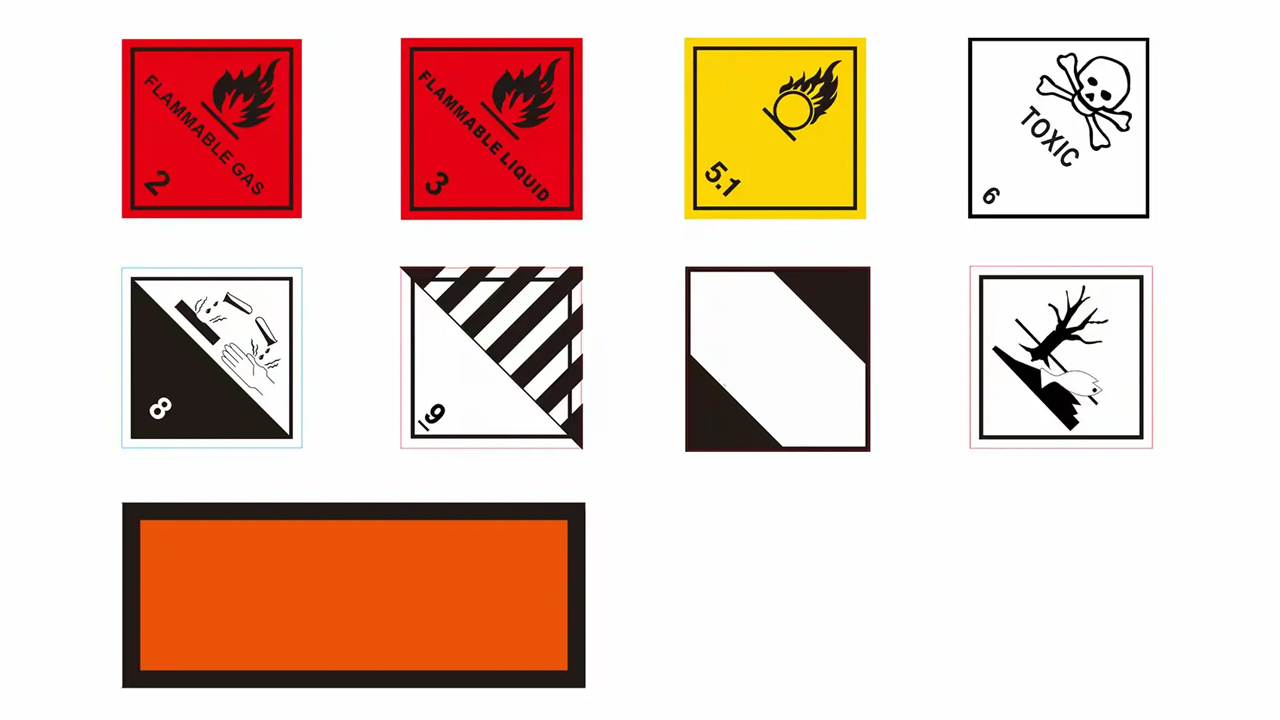
In the industry, shipping container stickers are more accurately known as self-adhesive container labels. Typically made from vinyl-based films with pressure-sensitive adhesive backing, they are produced through processes such as screen printing and die-cutting before being applied to the steel surfaces of shipping containers.
Despite their relatively small size, these labels must meet demanding performance requirements.
Shipping containers operate in some of the harshest environments in the transportation industry. Their exterior surfaces are constantly exposed to salt spray, intense ultraviolet radiation, significant temperature fluctuations, rain, humidity, and mechanical abrasion during loading and unloading operations.
As a result, container labels must provide excellent adhesion, weather resistance, color stability, and durability. According to the relevant industry requirements described in the proposed standard, the international warranty period for self-adhesive container labels is seven years. Throughout this period, labels are expected to maintain their appearance and remain securely attached.
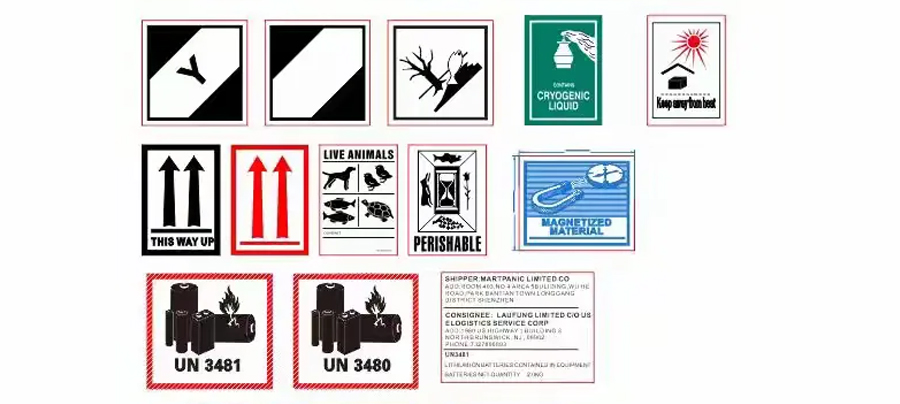
These shipping container stickers also serve an important identification function. Beyond displaying shipping company logos, they carry container ownership information, ISO identification markings, operational instructions, and other regulatory information.
In other words, a container label is much more than a branding accessory. It is an essential part of a container’s identity and international operating credentials. If important markings become illegible or detach, the container may encounter identification problems, potentially causing delays during customs clearance and port operations.

2. An Overlooked Source of Pollution: Why Shipping Container Stickers Matter
Traditionally, container identification markings have relied heavily on solvent-based paints and printing inks.
Although spray painting is a familiar and established process, it comes with an environmental cost. During application, volatile organic compounds (VOCs) can be released into the atmosphere through solvent evaporation and paint overspray.
As environmental regulations become increasingly stringent, manufacturers are under growing pressure to reduce emissions throughout their production processes.
The container manufacturing industry has already made considerable progress in this area. Significant efforts have been directed toward adopting water-based coatings and powder coating technologies. CIMC Group, for example, has established China’s first fully automated powder-coating production line for complete shipping containers.
However, replacing conventional coatings is only part of the challenge. Container identification and logo printing represent another manufacturing process that deserves attention.
An increasingly attractive alternative is to replace traditional spray-painted markings with self-adhesive labels.
The concept is straightforward: instead of applying solvent-based paint directly to the container surface, manufacturers can use specially engineered labels to achieve the required identification and branding effects while reducing emissions associated with conventional painting and printing processes.
This seemingly small change could contribute to a meaningful reduction in manufacturing pollution.
3. Why Graphene Is Becoming Part of the Solution
The transition toward greener container labeling has gained additional momentum through the revision of China’s national standard for self-adhesive container labels.
The Ministry of Transport has released a draft revision of the Self-Adhesive Labels for Containers standard for public consultation. One notable addition is the inclusion of physical and chemical performance requirements for graphene screen printing.
The draft explains that graphene screen printing is a low-VOC, environmentally friendly forming process. Graphene-based labels have already entered commercial production and practical application. By introducing measurable performance requirements, the revised standard aims to encourage the replacement of conventional solvent-based printing technologies.
Why graphene?
Graphene has attracted considerable attention because of its exceptional mechanical properties, including high strength and wear resistance. When incorporated into suitable printing formulations, it can help improve the durability and abrasion resistance of printed surfaces.
İçin shipping container stickers, these properties are particularly valuable.
A label must withstand years of exposure to harsh marine environments. Better abrasion resistance and salt-spray performance can help maintain the clarity of identification markings and reduce the likelihood of premature damage.
More importantly, graphene-based printing technologies may make it easier to achieve the required performance levels using water-based or low-solvent formulations, reducing dependence on conventional high-VOC ink systems.
The benefits extend beyond emissions reduction.
Longer-lasting labels mean fewer replacements throughout a container’s service life. This can reduce material consumption, maintenance requirements, and the amount of solid waste generated by discarded labels.
There is also a digital dimension to this development. The revised standard’s technical direction is compatible with the integrated printing of QR codes and other digital identification features. This creates opportunities to combine traditional container markings with digital asset identification and management systems.
In the future, a single label could potentially serve multiple purposes: brand identification, regulatory compliance, asset tracking, and digital information access.
4. From Factory to Port: Real-World Applications of Shipping Container Stickers
Another important advantage of shipping container stickers is their adaptability during installation.
Shipping container surfaces are not perfectly flat. Corrugated steel panels, rivets, seams, and other structural features create challenges for conventional marking processes.
Specially designed adhesive films can accommodate many of these surface irregularities. Their application properties also allow trapped air to escape more effectively, helping reduce bubbles and improve the finished appearance.
Meanwhile, suppliers in the container materials and industrial film sectors are increasingly positioning green and low-carbon solutions as key selling points at industry exhibitions.
This reflects a broader shift in market expectations. Environmental performance is no longer simply an additional benefit; it is becoming an important factor in product selection and supplier competitiveness.
5. A New Opportunity for Domestic Manufacturers
Although container labels represent a relatively specialized market, the industrial supply chain behind them is substantial.
The development of graphene-based printing technologies and the introduction of more demanding national standards could create new opportunities for domestic manufacturers of high-performance container labels.
As technical requirements become more clearly defined, suppliers capable of delivering reliable adhesion, long-term weather resistance, low-VOC production, and consistent product quality will be better positioned to compete.
For container owners and leasing companies, the economic benefits are equally important.
Longer label lifespans and lower detachment rates can reduce replacement and maintenance expenses over the entire container lifecycle. More reliable identification markings can also help minimize operational disruptions caused by damaged or missing labels.
For manufacturers, meanwhile, switching from conventional solvent-based printing to lower-emission alternatives can support environmental compliance and improve production sustainability.
The transition is therefore not simply about replacing one material with another. It represents an opportunity to improve environmental performance, operational efficiency, and lifecycle economics simultaneously.

Conclusion: A Small Label, a Significant Step Toward Greener Manufacturing
For logistics professionals, shipping container stickers have traditionally been viewed as ordinary consumables.For shipping companies, they are tools for branding, identification, and asset management.
But as environmental regulations become more comprehensive and manufacturing standards increasingly emphasize measurable sustainability performance, even the smallest components of a shipping container deserve closer attention.
The shift from spraying to labeling may appear modest, but it reflects a much broader transformation in industrial manufacturing: replacing pollution-intensive processes with cleaner, more efficient, and longer-lasting alternatives.
The growing adoption of graphene-based printing, combined with the development of low-VOC materials and digital identification technologies, could reshape the future of container labeling.
The next time you see a neatly applied logo or identification sticker on a shipping container, consider what lies behind it. That small piece of material may represent an important step toward cleaner production, lower lifecycle costs, and smarter container management.
Sometimes, the most meaningful changes in green manufacturing do not begin with an entirely new production line. They begin with something as small as a sticker.