
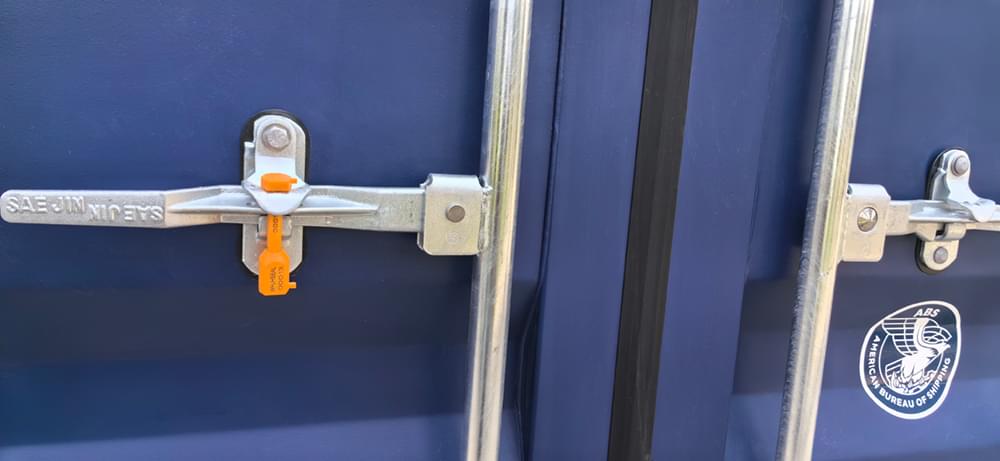
In the fast-paced and intricate world of international trade, the security of shipments is crucial. Risks such as theft, tampering, and unauthorized access not only jeopardize cargo but can also lead to significant financial losses and delays. One of the most effective tools in protecting shipments is the ISO 17712-compliant security seal. This article explores the significance of ISO 17712-compliant seals, their essential role in securing shipments, and why they are vital for a safer global trade environment.

Overview of ISO 17712: Why This Security Seal Standard Is Critical
ISO 17712 is an internationally recognized standard that defines the requirements for mechanical seals used on shipping containers. These seals are key to preventing unauthorized access and maintaining the integrity of goods during transit. The International Organization for Standardization (ISO) is responsible for establishing these standards, ensuring uniformity and reliability in cargo security measures around the world.
The Role of ISO
ISO, as a globally esteemed body, plays a pivotal role in developing international standards. Through ISO 17712, the organization sets rigorous benchmarks for the quality and security of seals in international trade, promoting safer and more reliable supply chains. Compliance with these standards fosters trust and efficiency across global logistics networks.
What Makes a Security Seal ISO 17712-Compliant?
To be ISO 17712-compliant, a security seal must meet several stringent criteria, including strength, durability, and tamper-evident properties. ISO 17712 categorizes seals into three distinct types, each designed to address varying levels of security needs:
- Indicative Seals: These are typically made from plastic or thin wire and indicate if a container has been tampered with. They are easily broken to reveal tampering.
- Barrier Seals: These provide a higher level of security by creating a physical barrier that resists tampering attempts and clearly shows evidence of breach.
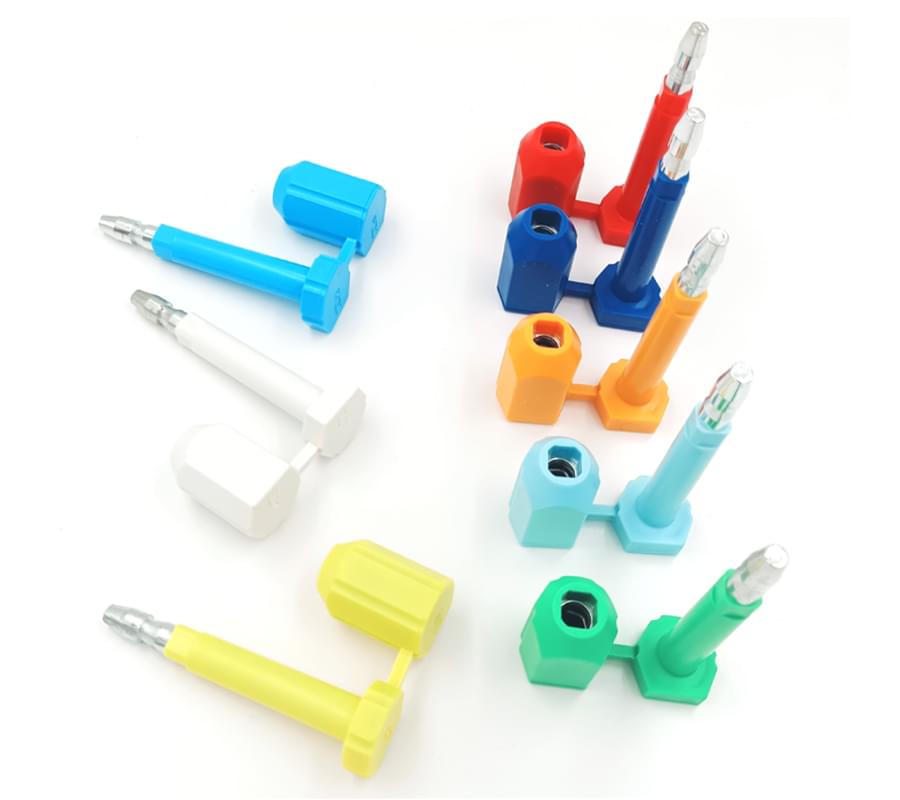
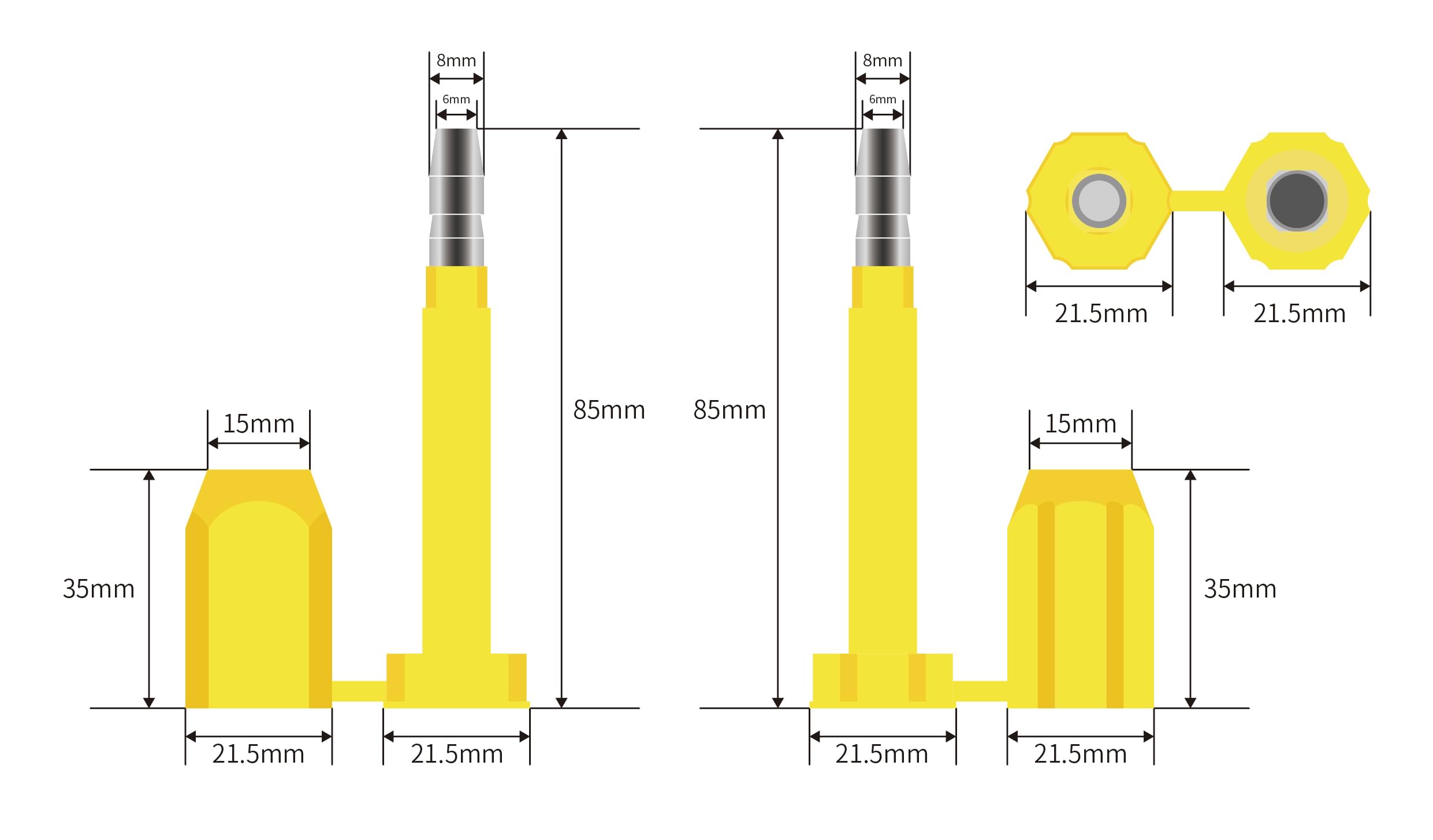
- High-Security Seals: The strongest of the three, these seals are often made from metal and are designed to withstand substantial force or tampering attempts. They require specialized tools for removal and undergo stringent testing to ensure their integrity.
Each category is engineered to meet different security needs, from basic tamper evidence to full protection against theft and unauthorized access.
Benefits of Using ISO 17712-Compliant Seals
The advantages of using ISO 17712-compliant seals are numerous and crucial for global trade:
- Theft Deterrence: High-security seals provide a formidable barrier, significantly reducing the risk of theft during transit.
- Tamper Evidence: These seals leave clear visible signs of tampering, enabling quick identification of compromised shipments.
- Unauthorized Access Prevention: Only authorized personnel can remove or break these seals, ensuring the contents remain secure.
For stakeholders like shippers, freight forwarders, and insurers, ISO 17712-compliant seals offer additional value. They ensure the integrity of goods throughout their journey, reducing the risk of theft, damage, and fraudulent claims. Insurers also benefit from fewer claims due to enhanced security, while end customers receive their goods securely, fostering trust and satisfaction.
Choosing the Right Seal for Your Needs
The choice of seal depends on the specific security requirements of the goods being shipped. High-value, sensitive, or high-risk shipments often necessitate the use of high-security seals. If you’re looking for high-quality seals but are unsure how to make a purchase, JH Security Packing Company offers premium products and services tailored to your needs. Feel free to reach out to us for more information!
Best Practices for Sealing Procedures
To maximize the effectiveness of security seals, best practices include:
Record-Keeping: Maintain detailed records of seal applications, inspections, and seal integrity assessments to ensure accountability.
Sealing Procedures: Ensure seals are applied correctly, with a proper fit to prevent tampering.
Regular Monitoring: Conduct routine checks to confirm the integrity of the seals during transit.
Record-Keeping: Maintain detailed records of seal applications, inspections, and seal integrity assessments to ensure accountability.
Alignment with Global Regulations and Industry Standards
ISO 17712-compliant seals align with numerous global regulations, ensuring that international shipments comply with established security measures. Complementary measures such as electronic tracking and routine inspections further enhance cargo protection.
Promoting Global Cargo Security
Global organizations like the World Customs Organization (WCO) and the Customs-Trade Partnership Against Terrorism (C-TPAT) advocate for the widespread adoption of ISO 17712 standards to bolster the security of international trade.
Conclusion: Investing in Cargo Security for a Safer Future
Cargo security in global trade cannot be overemphasized. ISO 17712-compliant seals play an essential role in safeguarding shipments, mitigating risks, and maintaining the integrity of goods. By adhering to these standards, stakeholders can enhance the security of their supply chains, protect valuable goods, and foster trust with customers. Embracing ISO 17712-compliant seals is not just a regulatory obligation; it is a strategic investment in the future of secure, efficient global trade.