
In the world of international shipping and logistics, securing containers during transit is a critical concern. To ensure goods arrive safely without tampering, two key security devices are widely used: traditional locks and purpose-built logistics seals. While both serve to secure containers, they have distinct functions, designs, and security levels. Understanding these differences is crucial for logistics professionals to select the best solution for their cargo needs.

1. Lock: A Versatile Security Solution
Locks are traditional security devices that have been used for centuries to safeguard items and spaces. When applied to containers, locks serve as a deterrent to unauthorized access by locking the doors with either a key or a combination. These locks come in a wide variety of forms, including padlocks, combination locks, and electronic locks. Locks are extremely versatile and can be used for numerous security applications beyond just container security. This stands in sharp contrast to logistics seals, which are designed for single-use and provide clear evidence of tampering.
Key Points:
Requirement for Keys/Combinations: To unlock a lock, you typically need a key or a combination code. This could create challenges if the key is lost or the code is forgotten, potentially causing delays in the unloading process.
While locks offer reasonable security, they may not always provide the highest level of tamper resistance. If someone attempts to break or manipulate the lock, it might not be immediately visible, which could lead to undetected theft or unauthorized access.

2. Logistics Seal: Designed for Ultimate Container Security
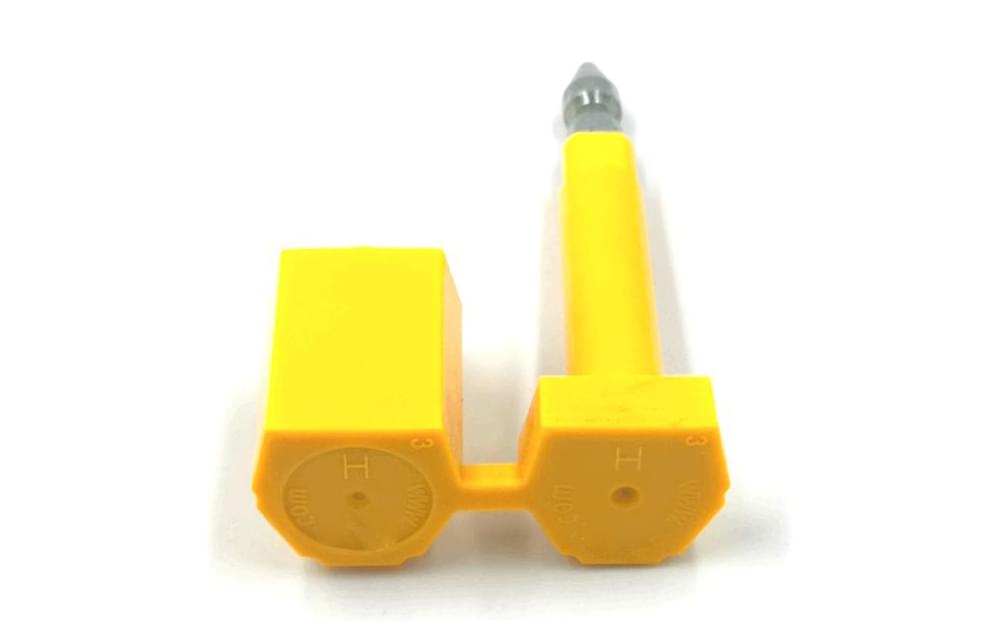
Logistics seals, also referred to as container bolt seals, are specifically engineered for securing shipping containers during transit. Unlike traditional locks, logistics seals are designed to be tamper-evident and offer a higher level of security. They consist of a metal bolt that secures the container door, accompanied by a locking mechanism that is easily broken if tampered with. This design ensures that any attempt to open or tamper with the seal is immediately noticeable.
Key Points:
- Single-Use Design: Logistics seals are typically single-use, making them ideal for securing containers for the duration of their journey. Once removed, they cannot be reused, which helps to prevent unauthorized resealing of the container.
- Tamper-Evident: One of the defining features of logistics seals is their tamper-evident nature. These seals provide clear and obvious evidence if someone attempts to break or tamper with them. Some seals feature unique identification numbers or barcodes for easy tracking and verification.
- Compliance with International Standards: Logistics seals are often designed to comply with global security standards such as ISO 17712. These standards ensure the seal meets the highest security requirements for international freight.
- Heavy-Duty Construction: Logistics seals are usually constructed from heavy-duty materials, including high-strength steel or metal alloys, making them much harder to break or bypass than standard locks. Their robust design ensures that they can withstand extreme conditions during transportation.
Main Differences Between Locks and Logistics Seals
1. Purpose:
Locks are a versatile security solution used across many industries, from personal use to commercial applications. They are not specifically designed for shipping containers. In contrast, logistics seals are tailor-made for securing containers during transit, ensuring that the integrity of the shipment is preserved.
2. Security Level:
Logistics seals offer superior security compared to traditional locks. Their tamper-evident feature makes it immediately clear if the container has been opened, providing a high level of confidence in the safety of the cargo. Locks, while useful, may not show visible signs of tampering unless they are broken or damaged.
3. Reusable vs. Single-Use:
Locks are reusable. Once unlocked, they can be used again for subsequent shipments. This makes them a cost-effective solution for long-term use. Logistics seals, on the other hand, are designed for single-use applications. After the seal is broken, it cannot be reused, which ensures a higher level of security but may incur additional costs for each shipment.
4. Design and Durability:
Logistics seals are engineered to withstand the rigors of international transportation, including exposure to harsh weather and potential physical abuse. Their designs are typically tamper-proof, complying with international security standards. Locks can vary in design and strength, and while they may offer basic security, they are often not as resistant to tampering as logistics seals.
5. Visibility of Tampering:
One of the biggest advantages of logistics seals is the immediate visibility of tampering. If the seal is broken or removed, it is clear that the container has been compromised. Locks may not provide such an obvious sign of tampering, making it harder to detect unauthorized access until it is too late.
Which Is the Best Option for Your Needs?
When choosing between a lock and a logistics seal for securing shipping containers, the decision largely depends on the level of security required, the nature of the shipment, and the type of goods being transported. For high-value or sensitive cargo, logistics seals offer superior security and tamper-evident features, making them the preferred choice for international shipments.
If cost and reusability are more important, a lock might be the better solution, especially for less sensitive or high-risk shipments. However, for logistics companies seeking to adhere to international security standards and prevent tampering, logistics seals are a more secure and reliable option.
Conclusion
In summary, both locks and logistics seals serve the important function of securing containers during transportation, but they differ significantly in design, functionality, and the level of security they provide. While locks are reusable and versatile, logistics seals are purpose-built to offer the highest level of tamper-evidence, making them the go-to choice for global shipping and freight. Understanding these key differences will help logistics professionals make informed decisions when choosing security solutions for their cargo.
If you’re looking for reliable logistics seals, companies like JH Security Packing are excellent suppliers, offering high-quality products and services tailored to meet the security needs of today’s global logistics industry.
Welcome to order. Very glad to serve you