

Cargo security is a paramount concern for businesses in the logistics and shipping industries. The safe and secure arrival of goods is fundamental to maintaining customer trust and upholding supply chain integrity. As a primary line of defense, security seals are deployed to protect shipments in transit, with bullet seals and regular seals representing the two main categories. A clear understanding of the distinctions between them is critical for any business aiming to strengthen its cargo protection strategy.

The Purpose and Functionality of safety seal and Regular Seals
Bullet seals and regular seals share a common purpose – to prevent unauthorized access to cargo during transit. Both types of seals are designed to be affixed to shipping containers or trailers, providing a visible indication of any tampering or attempted theft.
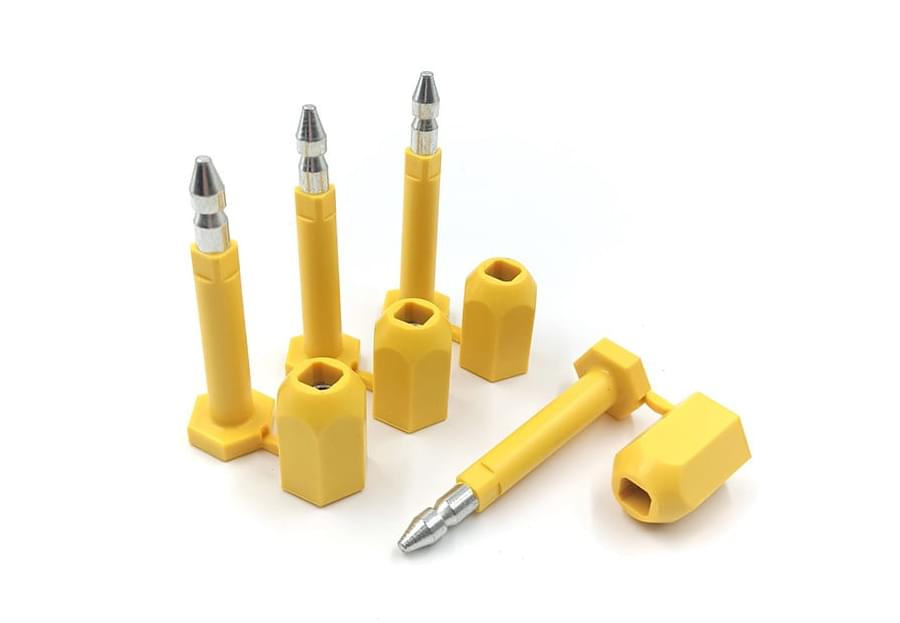
Bullet seals, a category of high-security seals, are designed for applications requiring the highest level of security. Typically crafted from heavy-duty metals, their unique construction resists cutting, prying, and other forms of tampering. They also feature a locking mechanism that is difficult to pick or bypass.
Regular seals offer a more economical solution for cargo security. Typically constructed from plastic or lightweight metals, they provide a fundamental level of protection. While easier to compromise than bullet seals, they remain an effective visual deterrent against unauthorized access.
Design and Construction
Safety seal and regular seals differ significantly in their design and construction. Bullet seals are typically larger and more robust than regular seals, with an average length of 3.5 inches compared to 2.5 inches for regular seals. They also feature a thicker diameter, usually around 0.4 inches, which makes them more difficult to cut or break.
Safety seal are made from hardened steel or other heavy-duty metals, which gives them superior strength and durability. They also feature a unique locking mechanism that requires a special tool to open, making them nearly impossible to bypass. Regular seals are often made from plastic or lightweight metals like aluminum, which makes them more susceptible to breaking or cutting.
Strength and Durability
Bullet seals offer significantly greater strength and durability than regular seals. They are designed to withstand extreme weather conditions, including high temperatures and heavy rainfall, as well as physical stressors like impact and vibration. Bullet seals are also difficult to cut or break, even with specialized tools, which makes them highly effective at preventing cargo theft or tampering.
Regular seals, while still effective at deterring theft, are not as strong or durable as bullet seals. They are susceptible to damage from harsh weather conditions, and their plastic or lightweight metal construction makes them easier to break or bypass.
Tamper Resistance and Security Features
Bullet seals are specifically designed to be tamper-resistant. They feature a unique locking mechanism that requires a special tool to open, which makes them nearly impossible to bypass. Bullet seals also often come with a unique serial number or barcode that can be scanned to verify their authenticity.
Regular seals, while still providing a basic level of security, are easier to bypass than bullet seals. They typically feature a simple locking mechanism that can be broken or cut with basic tools. Some regular seals do come with unique identifiers, such as a serial number or barcode, but they are not as secure as the features found on bullet seals.
Industry Standards and Regulations
There are several industry standards and regulations that apply to the use of bullet seals and regular seals. In the United States, the Customs-Trade Partnership Against Terrorism (C-TPAT) program requires businesses to use high-security seals on certain shipments. The International Organization for Standardization (ISO) has also established standards for container seals, including bullet seals.
Customization Options and Applications
Both bullet seals and regular seals offer customization options to meet the specific needs of businesses involved in logistics and shipping. Unique identifiers, such as barcoding or branding, can be added to either type of seal to help businesses track and monitor their shipments. Bullet seals can also be customized with unique colors or designs to help businesses identify their shipments quickly and easily.
Best Bullet Seals Supplier
If you don’t know which Bullet Seals manufacturer to choose, you might as well try JH Security Packaging. As a professional security seal manufacturer, we can bring you high-quality products and professional services. Welcome to contact us for detailed ordering information!