
Container seals play a vital role in ensuring the security and integrity of cargo during international trade and transportation. These seals are specifically designed to prevent tampering, theft, and unauthorized access to shipping containers, which is essential to safeguarding the contents and ensuring compliance with customs and security regulations. With the ever-growing complexity of global supply chains and increasing concerns about cargo security, ISO 17712-compliant container seals have become more important than ever. This article will explore the significance of container seals, the ISO 17712 standards, and best practices for their use, shedding light on how these security tools contribute to the efficient and safe movement of goods worldwide.
The Role of Container Seals in International Trade
Container seals are crucial for securing cargo during transportation. Whether by land, sea, or air, these seals provide a clear and visible indication of any potential breaches or tampering attempts, which is essential for preventing theft and unauthorized access. A seal that is broken or tampered with serves as an immediate warning to both the shipping company and the authorities, prompting further investigation and safeguarding the goods.
Beyond security, container seals also play a key role in ensuring compliance with various regulations. They allow customs officials to easily verify that shipments are intact and have not been tampered with, helping to prevent illegal activities such as smuggling, trafficking, or the introduction of unauthorized goods. In fact, container seals provide an essential security feature to support the smooth flow of goods across international borders.ss.
ISO 17712: International Standards for Container Seals
ISO 17712 is an international standard that sets forth strict requirements for mechanical seals used on shipping containers. The standard focuses on the strength and integrity of seals, ensuring that they are designed and tested to withstand tampering, physical attacks, and environmental factors that could compromise their function. The ISO 17712 standard classifies seals into three categories:
- Indicative Seals: These seals offer a basic level of security and are typically used to indicate that a container has been opened. However, they do not provide significant protection against tampering or unauthorized access.
- Security Seals: These seals offer a higher level of protection and are designed to deter tampering. They provide a visible indication when a container has been opened and are more robust than indicative seals.
- High-Security Seals: High-security seals must meet rigorous testing requirements and are designed to provide the maximum level of protection against tampering and unauthorized access. These seals undergo strict testing procedures to ensure they meet international standards for strength, reliability, and resistance to tampering.
High-security seals that comply with ISO 17712 are commonly used in international trade, as they provide the ultimate level of assurance for cargo integrity. These seals help ensure that shipping containers remain secure throughout their journey, minimizing the risks of theft or tampering. try JH Security Packing Company. As a manufacturer with an annual output of 9m+, JH Security Packing Company can bring you high-quality products and services. Welcome to contact us for detailed ordering information!
Types of ISO 17712 Container Seals
There are several types of container seals used in the transportation industry, each offering different levels of security and suitability for various applications. Some of the most common types include:
- Mechanical Seals: These seals require special tools for removal and are typically used to secure shipping containers. They are known for their strength and durability, providing a high level of protection against unauthorized access.
- Cable Seals: These consist of a cable and a locking mechanism, offering versatility and ease of use. Cable seals are commonly used for smaller shipments or cargo that requires quick application and removal.
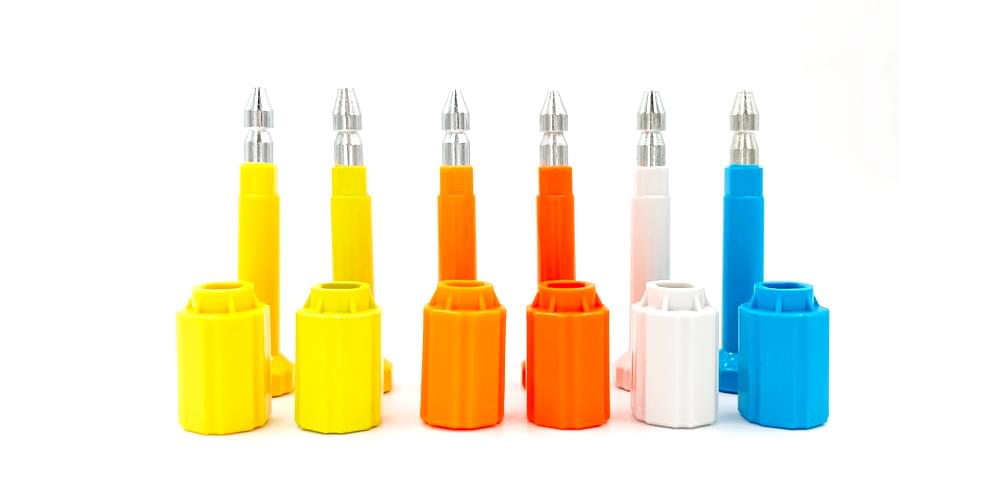
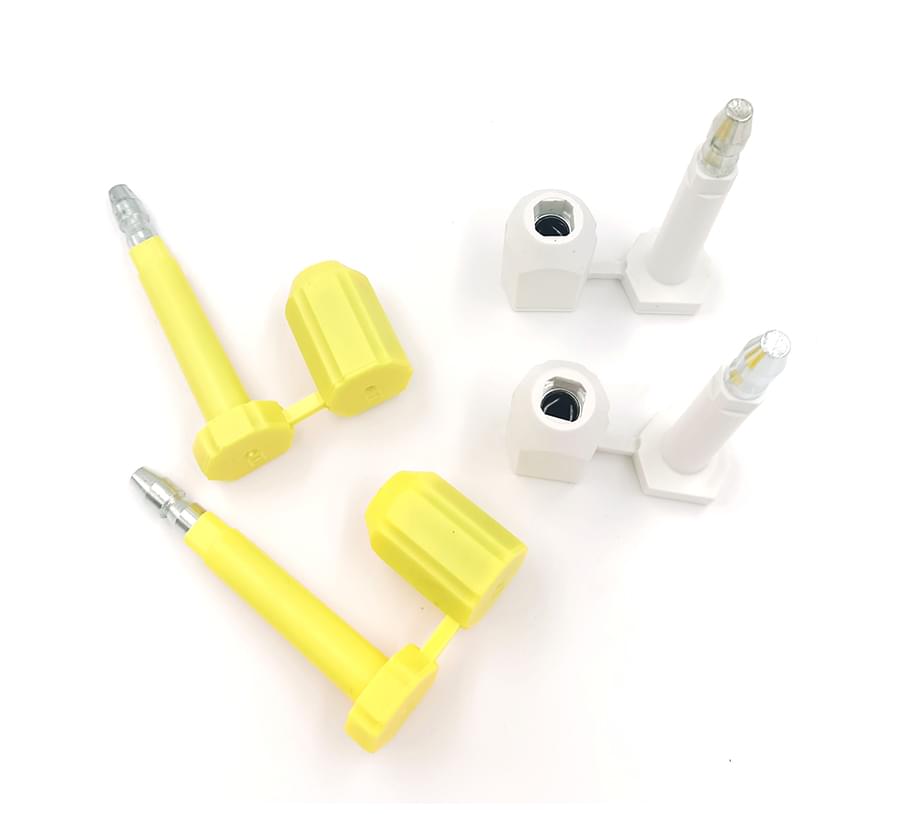
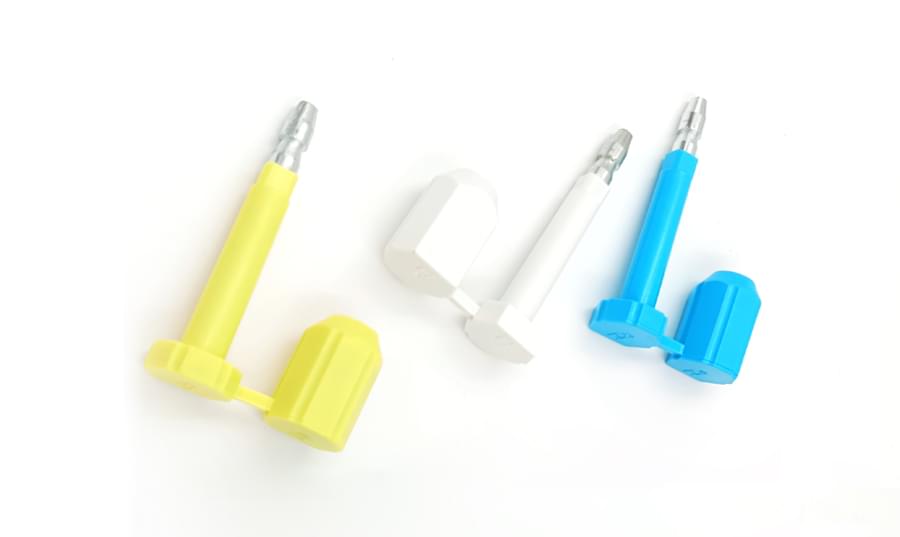
- Bolt Seals: Bolt seals feature a metal bolt and locking body, offering a high level of security and strength. These seals are frequently used for containers carrying valuable or sensitive goods, as they are difficult to tamper with and provide a clear indication of any breaches.
- Electronic Seals (E-Seals): These seals leverage technology such as RFID (Radio Frequency Identification) and GPS tracking to provide real-time monitoring of cargo. E-seals offer the added advantage of remote monitoring, enhancing security by allowing companies to track the location and status of shipments at all times.
Compliance and Certification: Ensuring Seal Integrity
Adhering to ISO 17712 standards is of paramount importance when selecting and using container seals. Utilizing ISO 17712-compliant seals ensures that the security measures in place meet internationally recognized criteria for strength, integrity, and tamper resistance. Manufacturers and suppliers of container seals must undergo a rigorous certification process to validate the compliance of their products with ISO 17712 standards.
Non-compliance with these standards can have serious consequences, including increased risk of cargo theft, security breaches, regulatory non-conformities, and even financial losses. Therefore, it is essential for businesses involved in international trade and logistics to choose seals that meet or exceed these standards to safeguard their shipments and ensure the safety of their customers.
Best Practices for Using Container Seals
To maximize the effectiveness of container seals, it’s important to follow best practices when applying, inspecting, and maintaining them:
- Proper Application: Ensure that the seal is securely affixed to the container using proper installation techniques. This includes ensuring that the seal is placed in the correct position and is properly fastened.
- Regular Inspections: Regularly inspect the seals throughout the transit process to ensure that no tampering has occurred. Any signs of damage or tampering should be reported immediately.
- Documentation: Maintain a comprehensive chain of custody and detailed records of the seal numbers, installation dates, and inspections. This will help ensure transparency and accountability throughout the shipping process.
- Prompt Reporting: If a seal is broken or tampered with, report it immediately to the relevant authorities and stakeholders to ensure that appropriate action is taken.
Conclusion: Enhancing Security and Confidence in Global Trade
ISO 17712-compliant container seals are essential for maintaining the security and integrity of cargo during international trade and transportation. By choosing high-quality, compliant seals and following best practices for their use, businesses can reduce the risks of tampering, theft, and unauthorized access. As technology continues to advance, container seal security measures are expected to improve, contributing to the continued safety and efficiency of global trade and logistics networks.